Lhasa Mansarovar Kailash Tour


Lhasa Kailash Tour: A Sacred Journey Through Tibet to Mount Kailash and Lake Mansarovar

The Lhasa Kailash Tour is an extraordinary spiritual and cultural journey through the Himalayas, taking travelers deep into the heart of Tibet. The adventure begins with a scenic flight from Kathmandu to Lhasa, offering spectacular aerial views of the Himalayan range, remote Tibetan settlements, vast plateaus, and snow-capped peaks. This tour combines ancient Buddhist heritage, breathtaking landscapes, and sacred pilgrimage sites, culminating at the revered Mount Kailash and the holy Lake Mansarovar. It promises to be a once-in-a-lifetime experience for pilgrims, adventurers, and cultural explorers alike.


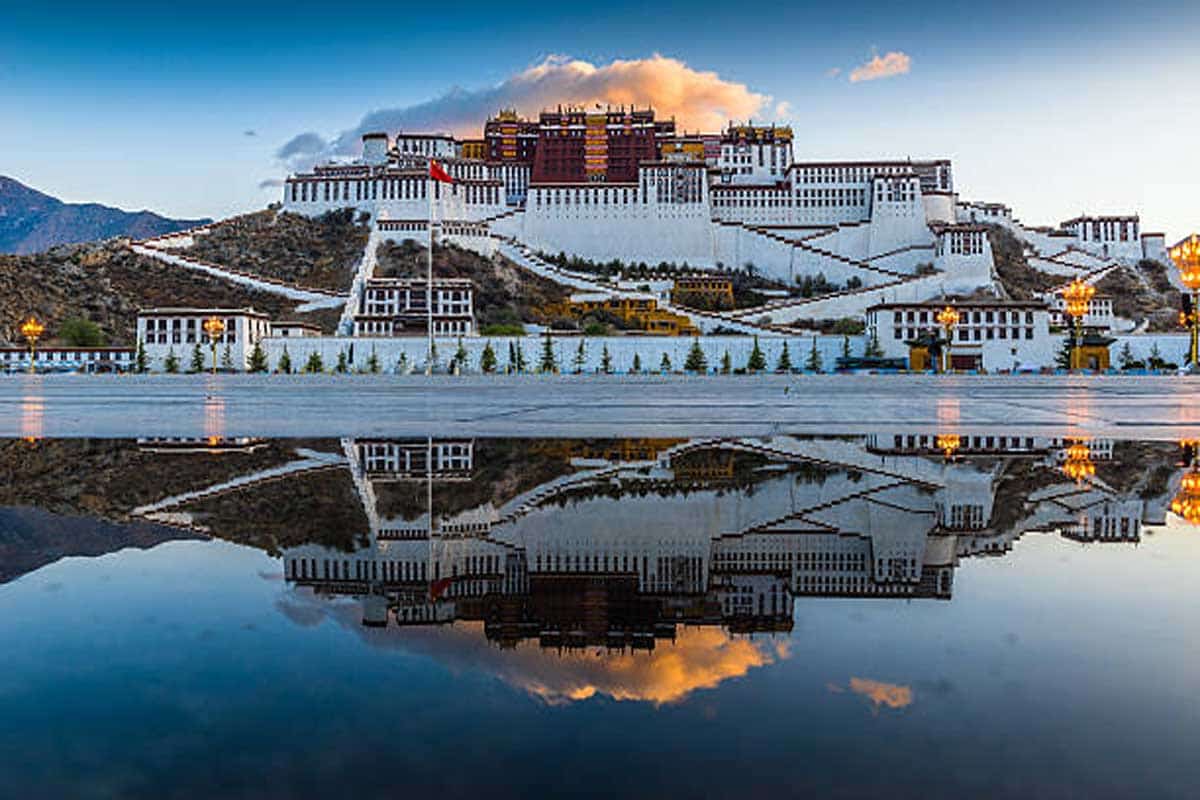
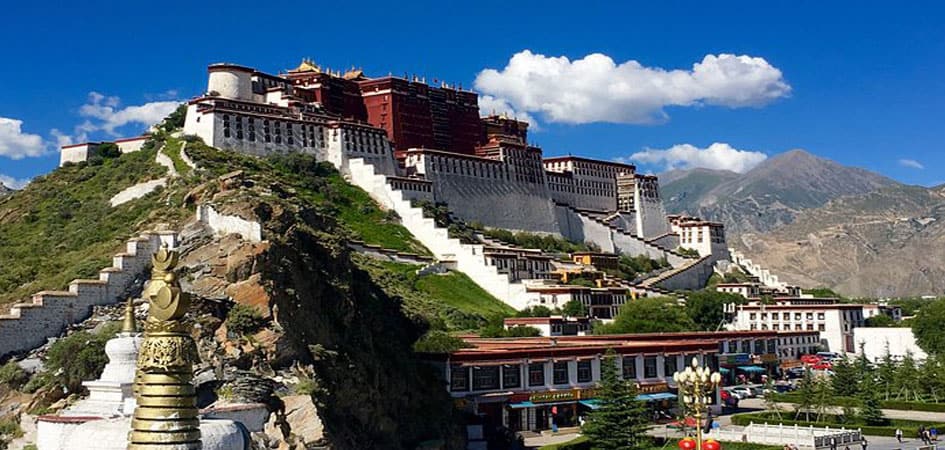
Upon arriving in Lhasa, the spiritual and cultural capital of Tibet, you will embark on an immersive sightseeing experience at some of the region’s most iconic landmarks. Start by exploring the magnificent Potala Palace, the former winter residence of the Dalai Lama and a UNESCO World Heritage Site. Next, visit the sacred Jokhang Temple, the most revered site in Tibetan Buddhism, where you can witness the lively devotion of pilgrims as they circle the historic Barkhor Street. Your journey will also include visits to Sera Monastery, famous for its monk debates, and the beautiful Norbulingka, the summer palace of the Dalai Lama. These cultural treasures provide a valuable perspective on Tibet’s rich history, spirituality, and living traditions.


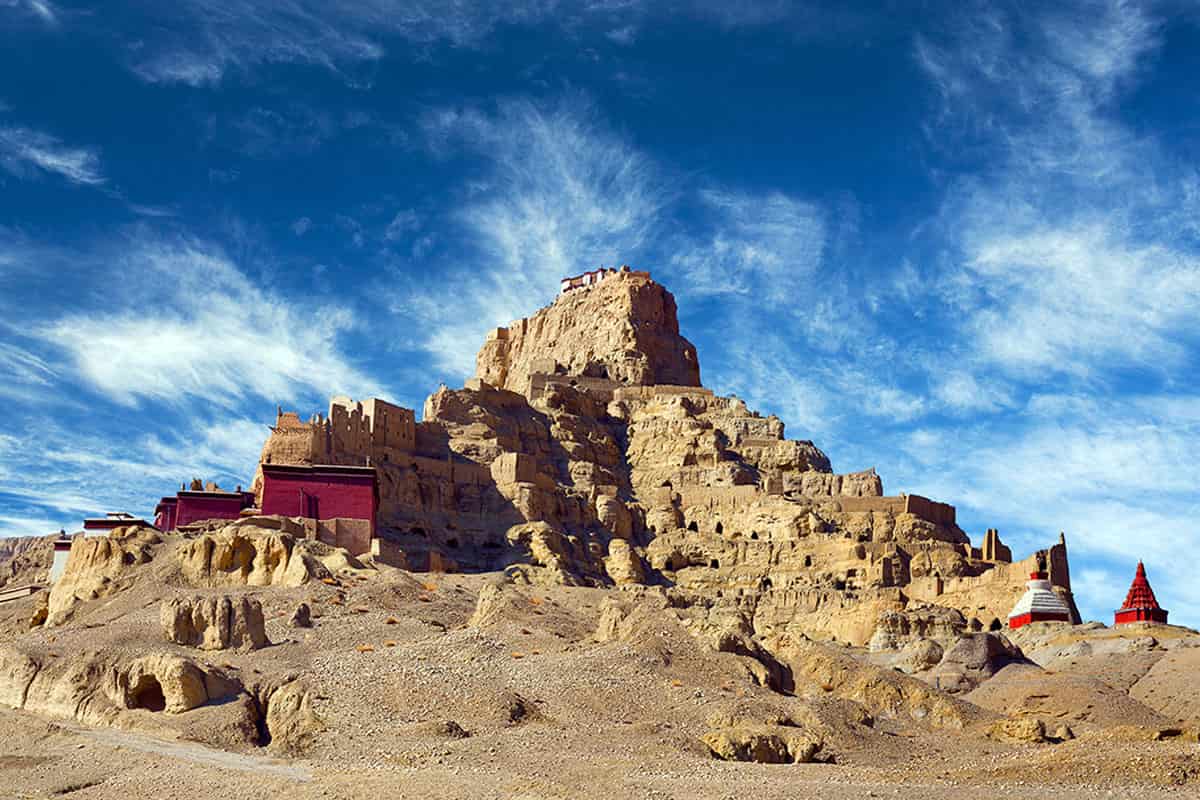
The overland tour from Lhasa to Mount Kailash spans approximately 2,000 kilometers, showcasing some of the most stunning landscapes on the Tibetan Plateau. As you travel through historic towns such as Gyantse, Shigatse, and Saga, you'll experience dramatic mountain vistas, pristine lakes, vast grasslands, and centuries-old monasteries. Along the way, travelers can enjoy breathtaking views of the Himalayas before arriving at the sacred shores of Lake Mansarovar and the pilgrimage gateway town of Darchen, located at the base of the holy Mount Kailash.


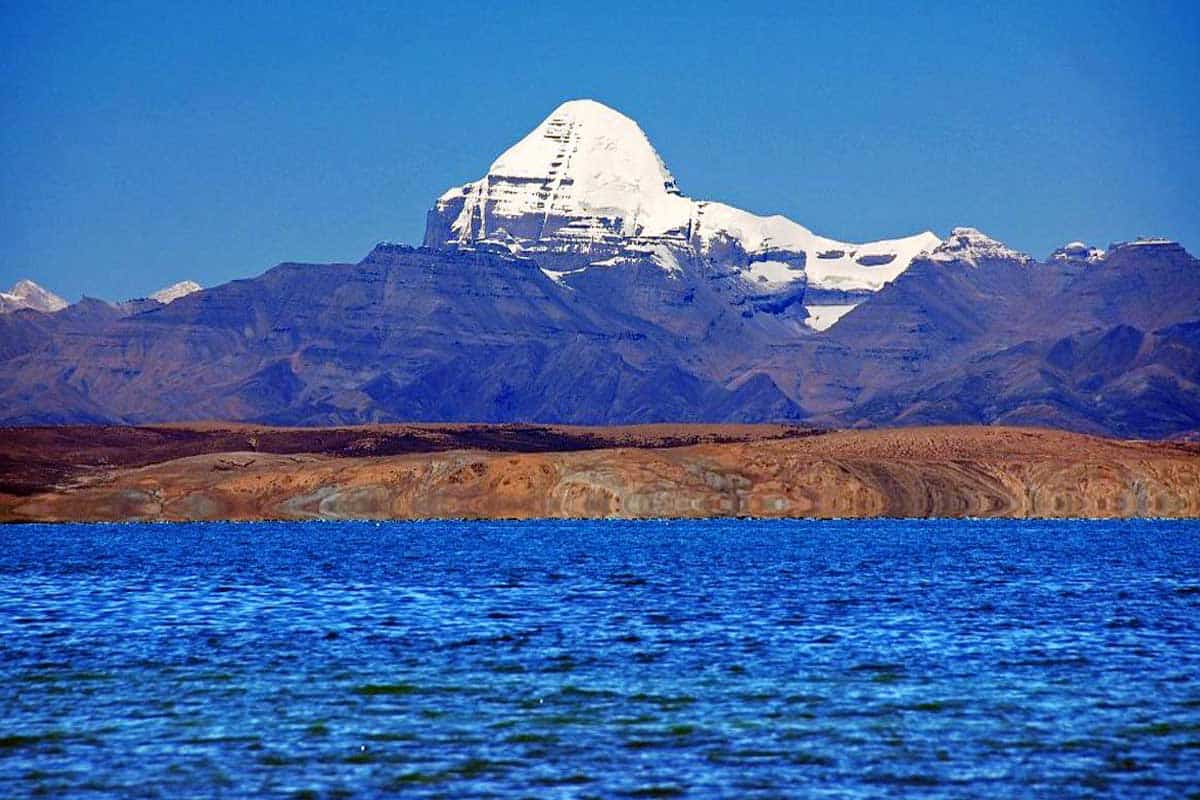
A highlight of the tour is spending time at the pristine waters of Lake Mansarovar, one of the highest freshwater lakes in the world and a sacred destination for Hindus, Buddhists, Jains, and followers of Bon. Surrounded by snow-capped mountains and untouched wilderness, the lake offers an atmosphere of profound peace and spiritual significance. Whether you seek pilgrimage, meditation, photography, or simply a deeper connection with nature, the tranquil beauty of this sacred lake creates an unforgettable experience.


The Lhasa Kailash Tour with Lake Mansarovar offers more than just a sightseeing trip; it’s a transformative journey through Tibet’s most sacred landscapes. From the cultural wonders of Lhasa and the vast Tibetan Plateau to the spiritual energy of Mount Kailash and Lake Mansarovar, each day reveals discoveries and unforgettable experiences. This epic adventure in Tibet combines spirituality, culture, history, and natural beauty, making it one of the most rewarding travel experiences in the Himalayas.

Lhasa Kailash Tour Highlights


  • Scenic Himalayan Flight from Kathmandu to Lhasa: Experience an unforgettable mountain flight over the Himalayas, featuring panoramic views of snow-capped peaks, deep valleys, and remote Tibetan landscapes, before landing in the vibrant cultural heart of Tibet.

  • Exploration of Lhasa—Tibet's Spiritual Capital: Explore iconic sites like the stunning Potala Palace, the revered Jokhang Temple, and the lively Barkhor Street, offering in-depth insights into Tibetan Buddhism and local culture.

  • Monastic and Cultural Experiences in Lhasa: Visit the famous Sera Monastery and the tranquil Norbulingka, where you can experience monk debates, ancient rituals, and royal heritage.

  • Epic Overland Journey Across the Tibetan Plateau: Explore historic towns such as Gyantse, Shigatse, and Saga, experiencing vast high-altitude deserts, sacred mountains, and traditional Tibetan culture.

  • Scenic Views of the Himalayas and Sacred Landscapes: Discover diverse landscapes, such as alpine lakes, rugged mountains, nomadic settlements, and pristine wilderness throughout the journey.

  • Holy Lake Mansarovar: Visit the tranquil Lake Mansarovar, one of the world's most revered lakes, celebrated for its spiritual purity and breathtaking natural beauty.

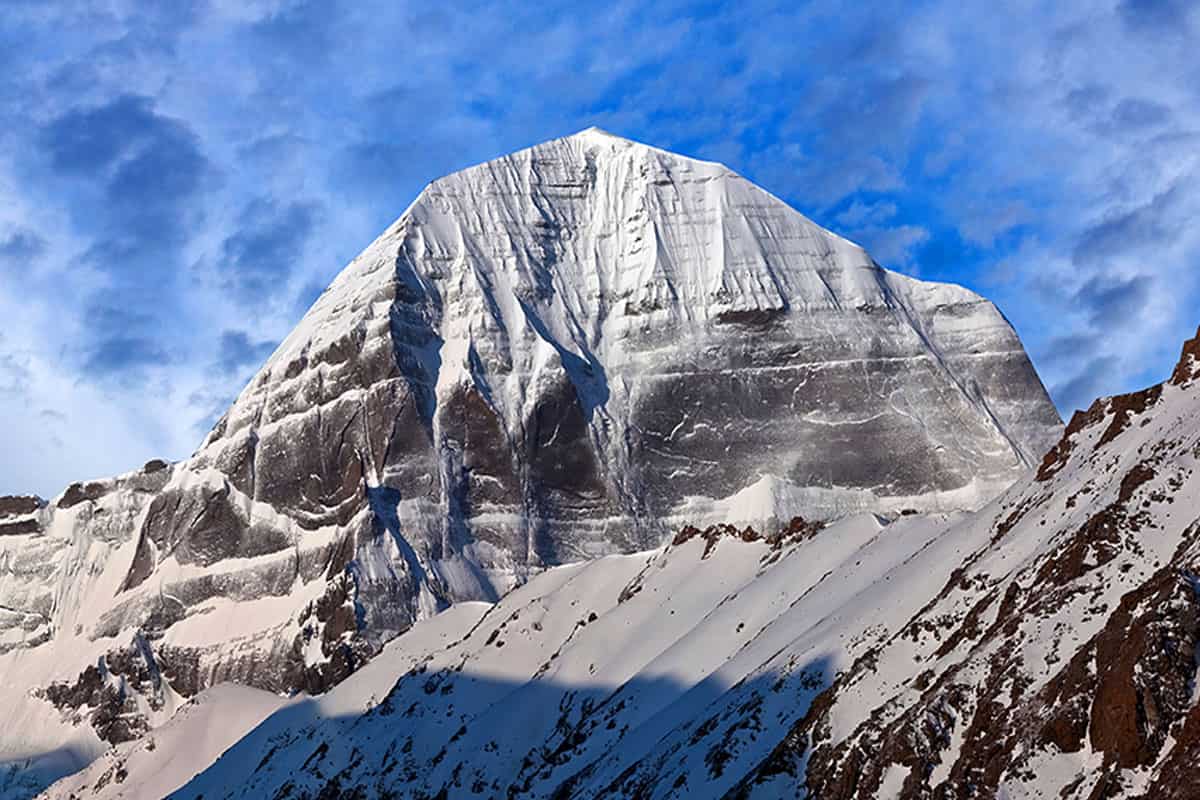
  • Sacred Mount Kailash Experience: Experience the sacred presence of Mount Kailash, a highly esteemed pilgrimage site in the world, drawing spiritual seekers from various religions.

  • Pilgrimage Gateway – Darchen: Visit Darchen, the base town for the Mount Kailash kora (circumambulation), a crucial stop for pilgrims and travelers.

  • Spiritual and Cultural Immersion: Experience an extraordinary journey that combines adventure, culture, and spirituality by exploring Tibetan Buddhist traditions, ancient monasteries, and sacred natural wonders.

  • Lifetime Himalayan Adventure: A unique overland expedition that combines travel from Kathmandu to Lhasa, visits sacred pilgrimage sites, and explores the dramatic landscapes of Tibet.


Trip Itinerary

Day 01: Fly to Lhasa

Your journey begins early in the morning at Tribhuvan International Airport in Kathmandu, where you should arrive at least 3 hours before departure for document checks, including your passport and Tibet Travel Permit. You will fly on Himalaya Airlines (H9 774) at 08:30 AM, with a flight time of about 1 hour and 20 minutes, offering stunning aerial views of the Himalayas, including Mount Everest, on a clear day. You will land at Lhasa Gonggar Airport around 12:05 PM (Beijing time), where you will go through immigration with your China Group Visa and Tibet Travel Permit before meeting your local Tibetan guide outside the terminal. From there, you will travel about 60 km to Lhasa city by private vehicle along the scenic Lhasa River, with a traditional khadak welcome from your guide. Upon arrival in Lhasa (3,656 m), you will check into your hotel and spend the rest of the day resting and acclimatizing to the altitude, avoiding physical exertion, alcohol, and heavy food to help your body adjust safely before the journey ahead.

Transfer: 1h 20 min | Accommodation: Hotel |

Day 02: Guided Tour in Lhasa

After breakfast, meet your guide and driver in the hotel lobby for a short briefing. Your guide will outline the day’s itinerary, explain key cultural customs—such as walking clockwise around sacred sites, appropriate temple etiquette, and photography guidelines—and share insights into the history and geography of the Lhasa Valley.

  • Norbulingka (The Summer Palace): A short drive takes you to Norbulingka, the former summer residence of the Dalai Lamas and a UNESCO World Heritage Site. Known as the “Jewel Park,” this peaceful retreat contrasts with the grandeur of the Potala Palace, featuring beautiful gardens, shaded pathways, ponds, and traditional pavilions. You will explore the New Summer Palace, built for the 14th Dalai Lama, where private chambers, audience halls, and meditation rooms offer a glimpse into Tibetan royal life. The palace is also renowned for its well-preserved murals, which vividly illustrate Tibetan history, culture, Buddhist traditions, and the lineage of the Dalai Lamas.
  • Sera Monastery: Set beneath the slopes of Tatipu Hill, Sera Monastery is one of Lhasa’s most important monasteries and a major center of Tibetan Buddhist learning. Founded in 1419, it was once home to thousands of monks and remains an active monastery today. During your visit, you will explore the impressive Great Assembly Hall, with its large wooden pillars, sacred chapels, Buddhist statues, and colorful thangkas. You will also visit the traditional printing house, where ancient scriptures are still produced using hand-carved wooden blocks. The highlight of the visit is the famous monastic debate session held in the afternoon, where monks engage in lively philosophical discussions, using dramatic hand claps and gestures to challenge each other’s understanding of Buddhist teachings.
  • Barkhor Square and the Sacred Kora: Your final stop is Lhasa’s ancient Old Town, centered around Barkhor Square and the sacred circuit surrounding the Jokhang Temple, the holiest site in Tibet. Here, you join pilgrims walking the kora in a clockwise direction, spinning prayer wheels, chanting mantras, and witnessing full-body prostrations along the cobblestone streets. The surrounding alleys reveal traditional whitewashed houses, carved wooden balconies, and incense burners filling the air with juniper smoke. The area also forms a lively marketplace where local vendors sell Tibetan crafts such as turquoise jewelry, carpets, prayer wheels, and hand-painted thangkas, offering a vivid glimpse into Lhasa’s living cultural and spiritual heritage.

After your visit to Barkhor Square, your private vehicle and driver will meet you at a designated location near the old town. You will be taken back to your hotel, arriving around 6:30 PM. The evening is yours to relax, unwind, and reflect on the rich historical and spiritual experiences of the day.

Sightseeing: 8-9 hours | Accommodation: Hotel | Meal: Breakfast

Day 03: Guided Tour in Lhasa

After breakfast, meet your guide and driver in the hotel lobby for a short briefing. Your guide will outline the day’s itinerary, explain key cultural customs—such as walking clockwise around sacred sites, appropriate temple etiquette, and photography guidelines—and share insights into the history and geography of the Lhasa Valley.

  • Potala Palace: You will meet your Tibetan guide at the base of Marpo Ri (Red Hill) and pass through security before beginning the slow, steady climb up stone stairways, with panoramic views over Lhasa offering natural stopping points along the way. At the top, you enter the White Palace of the Potala Palace, once the winter residence of the Dalai Lamas and the center of Tibetan government, where you explore historic living quarters and administrative halls. You then continue into the Red Palace, the spiritual core of the complex, lit by butter lamps and filled with incense, featuring sacred assembly halls with ancient murals and the richly decorated golden stupas of past Dalai Lamas. The visit concludes at the oldest sacred chapel, linked to the era of King Songtsen Gampo, adding deep historical depth to the site.

After descending the Potala Palace, you’ll head to Zongjiao Lukang Park, where your driver will take you to a traditional Tibetan tea house or local restaurant near Barkhor. Enjoy hearty local dishes like hot thukpa, momos, tsampa, and butter tea, which provide warmth, hydration, and energy for your continued exploration.

  • Drepung Monastery: Drepung Monastery is located about 8 kilometers (5 miles) west of central Lhasa, on the slopes of Mount Gambo Utse. Founded in 1416, it was once home to over 10,000 monks, making it one of the largest monasteries in the world. While visiting, you can explore the former Ganden Phodrang, which served as an early political and spiritual center of Tibet. You'll also find the vast Tsokchen Grand Assembly Hall, supported by 183 pillars and filled with sacred relics and statues, including the revered Maitreya Buddha. Additionally, you can see the traditional monastic kitchens with their giant copper cauldrons, which were used to feed thousands of monks. A visit to the debate courtyard is also a highlight, where scholars engage in lively philosophical discussions using expressive gestures and rhythmic hand claps.

After you visit Drepung Monastery, your private vehicle and driver will meet you at a designated location near the old town. You will be taken back to your hotel, arriving around 6:30 PM. The evening is yours to relax, unwind, and reflect on the rich historical and spiritual experiences of the day.

Sightseeing: 8-9 hours | Accommodation: Hotel | Meal: Breakfast

Day 04: Drive to Gyantse (4,025 m)

After breakfast, the drive begins with an early departure from Lhasa (3,650 m), traveling south along the Lhasa River valley before crossing the Yarlung Tsangpo near Chushul, where the road climbs sharply into the G349 mountain route. You then ascend the Khamba La Pass (4,794 m), where you are rewarded with a stunning first view of the turquoise Yamdrok Lake, with its mirror-like surface reflecting snow peaks, prayer flags fluttering at the pass, and opportunities to see decorated yaks and Tibetan mastiffs. The route descends to follow the lakeshore before stopping in Nagarze for lunch and continuing onward to the dramatic Karo La Pass (5,045 m), where the highway runs beside a massive hanging glacier. From there, you descend through Simu La Pass and the Manak Reservoir into the fertile Nyang Chu Valley, a patchwork of fields and seasonal colors, before arriving in Gyantse (4,025 m), a historic town dominated by its fortress-topped red hill. After check-in, you can explore the atmospheric old town or visit the iconic Pelkor Chode Monastery with its remarkable Gyantse Kumbum.

Transfer: 260 km, 8-10 Hours | Accommodation: Hotel | Meal: Breakfast

Day 05: Drive to Shigatse (3,840 m)

After leaving Gyantse, you may spend a short morning visiting Pelkor Chode Monastery and the Kumbum Stupa or taking a final look at the Gyantse Dzong before continuing your journey north along the G349 highway. The road opens into the wide, fertile Nyang Chu Valley, often filled with golden barley fields or bright rapeseed flowers, passing traditional farm villages and rural scenery where locals continue harvesting and grinding barley in traditional ways. About 20 kilometers before Shigatse, you may take a detour to visit Shalu Monastery, known for its unique blend of Tibetan and Chinese architecture and beautifully preserved ancient murals. You then arrive in Shigatse (3,840 m), check into your hotel, and enjoy lunch before spending the afternoon at Tashilhunpo Monastery, the historic seat of the Panchen Lama, where you will see the giant Maitreya Buddha statue, golden stupas of past Panchen Lamas, and join pilgrims walking the kora route with wide views over the valley.

Transfer: 90 km, 4-6 Hours | Accommodation: Hotel | Meal: Breakfast

Day 06: Drive to Rongbuk Monastery (4,980m)

After an early departure from Shigatse, you travel along the smooth G318 Friendship Highway, passing the Yarlung Tsangpo Valley, a 5,000 km milestone marker near Lhatse, and stopping for lunch in the busy junction town of Lhatse (4,010 m). The journey then climbs dramatically to Gyatso La Pass (5,248 m), the highest point on the route, where prayer flags flutter, and you may catch your first distant view of Everest before descending to Tingri for security checks. You then enter Everest National Park and reach Gawu La Pass (5,198 m), which offers a breathtaking panorama of the Himalayas, including Everest, Lhotse, Makalu, Cho Oyu, and Shishapangma, along with a spectacular view of the 108 switchbacks descending into the valley. From Tashi Dzom, you transfer to an eco-bus for the final ascent through the Dzakar Chu valley, passing remote yak herder settlements before arriving at Rongbuk Monastery (4,980 m), dramatically set beneath Everest’s north face. Here, you can explore the atmospheric monastery and ancient meditation caves and, weather permitting, witness an unforgettable sunset over Everest, with basic guesthouse or tented accommodation options nearby.

Transfer: 340 km, 8-10 Hours | Accommodation: Guesthouse | Meal: Breakfast

Day 07: Hike to Everest Base Camp (5,150 m). Drive to Saga (4,485 m)

Wake up early in the morning to witness the majestic sunrise over the peak of Mount Everest, weather permitting, from the comfort of your lodging area. You will follow the glacial valley toward Mount Everest Base Camp, walking beside the icy Dzakar Chu River, with the massive north face of Everest dominating the horizon. At this extreme altitude (around 5,100 meters), it is essential to move slowly, breathe steadily, and monitor your body carefully. Carry only the essentials, such as warm water, snacks, and emergency oxygen, while eco-buses are available for those who prefer not to trek. The route ends at the Base Camp monument, which marks the official viewpoint of Everest’s towering 3,000-meter north wall.

After returning to collect your gear, you will embark on a long overland drive west, climbing back over Gawu La Pass (5,198 meters). A lunch stop in Old Tingri offers views of Cho Oyu. Continuing along the G318 and then the remote G219 highway, the landscape opens up into vast, empty high-altitude plains where wildlife such as wild asses and gazelles may be spotted. You will pass Peiku Tso Lake, which reflects Mount Shishapangma, before reaching Saga (4,485 meters), a key logistical town where you will check into a hotel equipped with heating and oxygen support after a long day of travel.

Hiking: 5 km, 3-4 Hours | Transfer: 330 km, 6-8 Hours | Accommodation: Guesthouse | Meal: Breakfast

Day 08: Drive to Manasarovar Lake (4,590 m)

After leaving Saga, you travel along the G219 National Highway through the wide Himalayan valleys that run alongside the upper Yarlung Tsangpo River. Gradually, you enter the stark desert landscapes of Zhongba, where dunes rise beside the road against a backdrop of distant snow-capped peaks. The route passes through Paryang (4,600 m), a remote frontier town where you stop for lunch and prepare for the high pass ahead. From here, the road climbs steadily into the Gangdise Range and crosses Mayum La Pass (5,211 m), a major watershed boundary marked by prayer flags and thin, high-altitude air. After crossing the pass, you descend into the sacred lake basin of western Tibet.

As you approach Lake Manasarovar, the scenery becomes particularly striking, with magnificent snow-covered peaks encircling the area and their reflections in the tranquil turquoise waters of the lake. Lake Manasarovar is revered in Hinduism, Buddhism, and Jainism. Nearby lies the contrasting dark waters of Lake Rakshastal. You settle near the shoreline around Chiu Monastery, which is perched on a rocky hill above the lake. Here, you may have the opportunity to witness pilgrims walking the kora (circumambulation) and, on clear days, enjoy distant views of Mount Kailash, especially at sunset over this deeply spiritual landscape.

Transfer: 490 km, 7-9 Hours | Accommodation: Guesthouse | Meal: Breakfast

Day 09: Drive to Darchen (4,675 m)

After a cold, clear morning at Lake Manasarovar, you witness the still waters reflecting the golden light on Mount Kailash and Gurla Mandhata (7,694 m), followed by a final walk along the shoreline near Chiu Monastery, where pilgrims make offerings, and the vast sacred basin is seen one last time. You then depart north across the Barkha Plain along the G219 Highway, where Lake Rakshastal and Lake Manasarovar appear side by side in striking contrast. At the same time, Mount Kailash (6,638m) dominates the horizon ahead. The journey continues into Darchen (4,675m), a small frontier town at the base of the sacred mountain, where you check into your hotel, have a warm, energy-rich lunch, and prepare for the upcoming trek. The afternoon is dedicated to essential logistics, including verifying permits, registering with local authorities, arranging porters or yaks if needed, checking trekking gear, and taking a short acclimatization walk around town to adjust to the high altitude before beginning the Kailash kora.

Transfer: 50 km, 1 Hour | Accommodation: Guesthouse | Meal: Breakfast

Day 10: Trek to Dirapuk (5,080 m)

After an early morning departure from Darchen, you take a short shuttle ride to the Sarshung Trailhead, where permits are checked, and your porter or yak team is assigned before officially beginning the kora. The trail leads into the wide Lha-chu Valley, following an easy gravel path alongside the glacier-fed river, with the vast Ngari sky above and Mount Kailash gradually revealing its different faces. Along the way, you pass the historic chorten gateway and Chuku Monastery, perched on a cliff, while the mountain’s western face appears as a massive wall of dark rock and ice. After about three hours, you reach the Tamdin rest point at 4,860 m, where you pause for a simple hot meal and tea in nomadic tents before continuing into the more rugged terrain of boulders and moraine above 4,900 m, where breathing becomes noticeably harder and a slow, steady rhythm is essential. As the valley opens dramatically, the towering North Face of Mount Kailash comes into full view, leading to your arrival at Dirapuk Monastery, where you settle into basic accommodation, visit the small shrine above the guesthouse, and witness an unforgettable sunset over the sacred mountain as it shifts from gold to deep blue under the night sky.

Trek: 19 km, 6-8 Hour | Altitude Gain: 480 m | Altitude Loss: 80 m | Accommodation: Guesthouse | Meal: Breakfast

Day 11: Cross Dolma La Pass (5,630m). Trek to Zutulpuk (4,790 m)

The day begins before dawn at Dirapuk Monastery in freezing conditions, as you start a steady and demanding climb over rocky terrain toward Shiva-tsal at about 5,330 meters, a sacred site where pilgrims symbolically leave behind items to represent the end of their old life and past karma before crossing the pass. From there, the route becomes steeper and more difficult as you move through boulders and possibly snow or ice toward Dolma La Pass at 5,630 meters, marked by prayer flags, incense, and pilgrims performing rituals and chanting prayers at the highest point of the journey. After reaching the pass, you begin a very steep and challenging descent past the sacred Gauri Kund lake, a turquoise high-altitude lake associated with Goddess Parvati, carefully navigating loose rocks and slippery ground using trekking poles for stability. Eventually, the terrain eases into a long valley walk along the Zhong-chu River, which feels exhausting despite being flatter, until the landscape gradually opens up and the stone structures and prayer flags of Zutulpuk Monastery appear at the end of the day.

Trek: 18 km, 8-10 Hour | Altitude Gain: 550 m | Altitude Loss: 840 m | Accommodation: Guesthouse | Meal: Breakfast

Day 12: Trek to Darchen. Drive to Saga (4,450 m)

The day begins at the Miracle Cave, following the right bank of the Zhong-chu River along an easy canyon trail lined with mineral-stained cliffs, sacred Mani stone mounds, and prayer flags, eventually passing the confluence of streams known as the “Gold River” and “Silver River” before the canyon opens dramatically into the vast Barkha Plain. From there, sweeping views reveal Lake Manasarovar and the distant peak of Gurla Mandhata at 7,694 meters, and the route continues to a checkpoint near Tangser or Dzong-chu where permits are verified and trekkers may either be picked up by support vehicles or walk the final stretch back to Darchen, completing the 52-km Mount Kailash circumambulation. After resting and regrouping in Darchen, the journey continues by road across the Tibetan Plateau along the G219 highway, passing the sacred twin lakes of Manasarovar and Rakshastal, contrasting symbols of purity and darkness, before crossing vast high-altitude steppe regions inhabited by nomadic herders and wildlife such as Tibetan antelope and wild ass. The route then moves past surreal dunes near Paryang and over the high Mayum La Pass at 5,211 meters before descending into the valley toward Saga at 4,450 meters, a well-equipped regional hub offering comfortable accommodation and facilities for recovery after the long overland journey.

Trek: 10 km, 3-5 Hour | Altitude Gain: 50 m | Altitude Loss: 160 m | Transfer: 490 km, 7-9 hours | Accommodation: Guesthouse | Meal: Breakfast

Day 13: Drive to Kyirong (2,800 m)

Leaving Saga, the journey begins with a crossing over the vast Yarlung Tsangpo River before heading through wide, sandy valleys and smooth highways that gradually turn south away from the main G219 route toward the central Himalayan borderlands. The road then enters the spectacular Pelkhu Tso basin at about 4,600 meters, where the deep turquoise lake stretches beneath the towering presence of Shishapangma (8,027 m), a fully Tibetan 8,000-meter peak whose glaciated walls dominate the horizon. Continuing onward, the route climbs steadily to the Gongtang La Pass at 5,236 meters, marked by prayer flags and harsh winds, offering a dramatic contrast between the flat Tibetan plateau behind and the plunging Himalayan valleys ahead. From the pass, the road drops sharply into the Kyirong Gorge through a series of steep switchbacks, passing through a rapid ecological transition from barren alpine terrain to lush forests, waterfalls, and bamboo-filled valleys as oxygen levels increase noticeably. The journey finally ends in Kyirong Town at 2,700 meters, a green and sheltered valley settlement surrounded by misty cliffs and snow peaks, offering a warm, low-altitude refuge and a comfortable place to recover after the high Himalayan crossings.

Transfer: 160 km, 5-7 hours | Accommodation: Guesthouse | Meal: Breakfast

Day 14: Drive to Kathmandu

After breakfast, the journey begins with a smooth descent from Kyirong Town, situated at 2,700 meters. Travelers drive through a well-paved gorge road to reach the Chinese immigration checkpoint at Kyirong Port. After passing through the checkpoint, they cross the Friendship Bridge over the Lende River, formally exiting China and entering Nepal while adjusting their watches by -2 hours and 15 minutes. On the Nepal side at Rasuwa Gadhi, passengers complete the visa and customs procedures and switch to a 4WD vehicle. They then immediately face rough off-road driving through the Trishuli River canyon, navigating cliffs, river crossings, and constant jolts. The route climbs to Dhunche within Langtang National Park before descending through dramatic hairpin bends into the lowlands of Trishuli Bazaar. Here, subtropical vegetation replaces the alpine landscapes, and traffic begins to increase. From Trishuli Bazaar, the final stretch follows increasingly busy highways through Nuwakot and the valley rim checkpoints before descending into the Kathmandu Valley. The journey concludes amid the dense traffic, urban energy, and bustle of Thamel at 1,400 meters, marking the end of a long trans-Himalayan crossing.

Transfer: 165 km, 8-10 hours | Meal: Breakfast

Cost & Dates

The Tibet Lhasa Kailash Tour cost on the website applies to 6–12 people. However, private trips for groups of two or more can be organized upon request. A group booking of 12 or more people can avail of a maximum discount. Clients' travel date preferences can be accommodated, but the trek cost depends on factors such as group size, duration, accommodation type, and additional activities or services.

  • Group Size: The cost of the trip will depend on the size of the group.
  • Hotel Accommodation Category and Client's Budget: The cost may also vary based on the accommodation category and budget preference of the client.
  • Itinerary Modification: Our trekking itinerary can be modified according to your time and requirements, and the cost will be adjusted accordingly.
  • Additional Services: If you require additional services, the cost will be adjusted accordingly based on mutual understanding.


Trip Dates Trip Cost Status Inquiry
USD Available Inquiry

Cost Includes:

  • Airport pick-up drop on a private vehicle.
  • 3 nights hotel accommodation in Lhasa at twin sharing on BB plan.
  • All necessary Tibet travel permits.
  • Private vehicles (van or Jeep or bus) for a tour.
  • Best available Guesthouse or lodge accommodation in Tibet on twin sharing basis with breakfast.
  • Kailash admission fee and Grass dame charge.
  • English-speaking, trained, and experienced Tibetan guide.
  • All fees for sightseeing and visits to monasteries as outlined in the itinerary.
  • Yak and Yakman to carry baggage, food, fuel, etc. while making rounds of Mt. Kailash.
  • All applicable taxes and service charges.

Trip FAQ

Q: What is the Lhasa Kailash Tour?
A: The Lhasa Kailash Tour is a pilgrimage and sightseeing tour that takes you to some of the most sacred and spectacular sites in Tibet. It includes visits to the holy Mount Kailash, Lake Manasarovar, the ancient city of Lhasa, and other important cultural and natural landmarks in the region.


Q: What is the best time to take the Lhasa Kailash Tour?
A: The best time to take the Lhasa Kailash Tour is from May to October, as this is the period when the weather is most favorable for travel in Tibet. The summer months offer clear skies, pleasant temperatures, and stunning natural scenery.


Q: How long does the Lhasa Kailash Tour take?
A: The Lhasa Kailash Tour typically takes around 15-20 days, depending on the specific itinerary and the duration of your stay at each destination. This allows you to fully immerse yourself in the local culture and experience all the highlights of the tour.


Q: What is the level of difficulty of the Lhasa Kailash Tour?
A: The Lhasa Kailash Tour can be physically challenging due to the high altitude and the need for trekking at Mount Kailash. It is important to be in good health and fitness before embarking on the tour and to acclimatize properly to the altitude.


Q: What is the accommodation like on the Lhasa Kailash Tour?
A: The accommodation on the Lhasa Kailash Tour varies from basic guesthouses and tents to more comfortable hotels in Lhasa and other cities. The facilities and amenities may be more limited in remote areas, but the hospitality and warmth of the local people more than make up for it.


Q: What permits are required for the Lhasa Kailash Tour?
A: The Lhasa Kailash Tour requires several permits, including the Tibet Travel Permit, the Aliens' Travel Permit, and the Mount Kailash Trekking Permit. These permits must be obtained through a registered tour operator, and it is important to allow enough time for the application process.


Q: What is the cost of the Lhasa Kailash Tour?
A: The cost of the Lhasa Kailash Tour varies depending on the specific itinerary, the duration of the tour, and the level of accommodation and services provided. It is best to consult with a registered tour operator for a detailed quote and to discuss your specific requirements.


Q: Is the Lhasa Kailash Tour safe?
A: The Lhasa Kailash Tour is generally safe, provided that you follow the advice of your tour guide and take the necessary precautions to ensure your health and safety. It is important to be aware of the risks associated with high altitude and to acclimatize properly before undertaking any physical activity.


Most Popular

Manaslu Trekking Tours

Manaslu Circuit Trek
19 Days

The Manaslu Circuit Trek is a beautiful and remote trip around Mount Manaslu (8,163 m), the eighth highest mountain in the world. It has the perfect mix ...

Discover More
Tsum Valley Trek
19 Days

The Tsum Valley Trek is a unique and off-the-beaten-path trekking experience in Nepal’s Manaslu region, known for its rich Tibetan Buddhist culture, ...

Discover More
Lower Manaslu Trek
18 Days

The Lower Manaslu Trek is a beautiful and culturally rich trip in Nepal that lets you see the Himalayas without going too high. This unusual trek takes ...

Discover More
Manaslu Four High Passes Trek
26 Days

The Manaslu High Passes Trek is an adventurous, off-the-beaten-path trek in the Himalayas that circumnavigates the remote Manaslu region, crossing four ...

Discover More