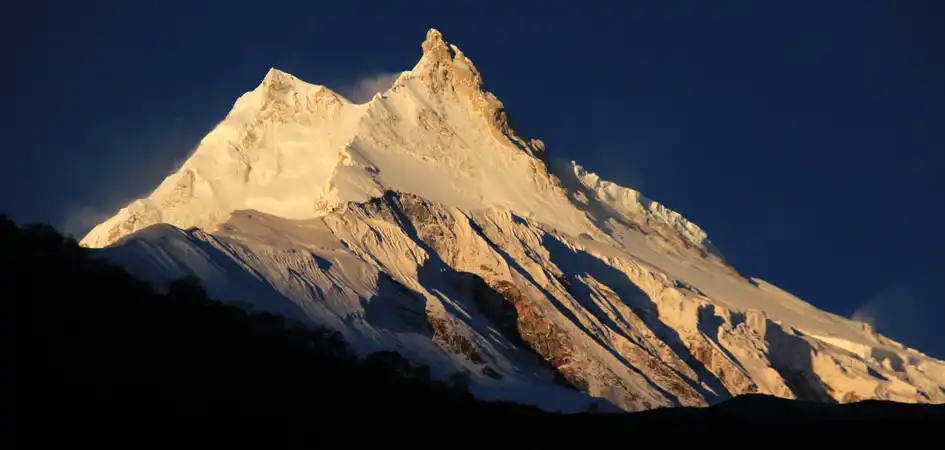
Upon your arrival in Kathmandu, Nepal, a friendly representative from Manaslu Trek will greet you at the airport and escort you to your hotel. This marks the beginning of your Manaslu Expedition, offering a smooth and comfortable start to your journey in the Himalayan region.
In the evening, we host a special welcome dinner featuring authentic Nepalese cuisine, accompanied by a refreshing reception drink. This welcome evening also provides an opportunity to meet your fellow trekkers, discuss the Manaslu Expedition itinerary, and receive essential tips for trekking in the Himalayas, including acclimatization, packing, and safety advice. Starting your journey in Kathmandu allows you to ease into the adventure while enjoying the city’s vibrant culture and setting the stage for your unforgettable Himalayan trekking experience.
Transfer: 30-45 min |
Accommodation: Hotel |
Meal: Welcome Dinner
Today, explore the rich culture, history, and heritage of Kathmandu Valley on this full-day city tour before your Manaslu Four High Passes Trek. The tour takes you to some of Kathmandu's most famous UNESCO World Heritage Sites, offering a perfect introduction to Nepalese art, architecture, and traditions with our professional English-speaking City Tour Guide:
- SWOYAMBHUNATH , also known as the Monkey Temple, is one of Kathmandu Valley’s most iconic Buddhist stupas. Perched on a hilltop, it offers panoramic views of Kathmandu city and features ancient shrines, prayer wheels, and intricate carvings. The site is a spiritual and cultural landmark, attracting both pilgrims and tourists.
- KATHMANDU DURBAR SQUARE is a UNESCO World Heritage Site and the historic heart of Kathmandu City. Known for its ancient palaces, temples, courtyards, and intricate wood carvings, it reflects Nepalese art, culture, and architecture. A visit to this iconic square offers a glimpse into the royal history of Nepal.
- BOUDHANATH STUPA is one of the largest and most important Buddhist stupas in Nepal and a UNESCO World Heritage Site. Known for its massive white dome, colorful prayer flags, and iconic Buddha eyes, it serves as a major center for Tibetan Buddhism. Visiting Boudhanath provides an immersive cultural and spiritual experience.
- PASHUPATINATH is one of Nepal’s most sacred Hindu temples, dedicated to Lord Shiva and located on the banks of the Bagmati River in Kathmandu. Famous for its intricate pagoda-style architecture, cremation ghats, and spiritual rituals, it offers visitors a deep cultural and religious experience.
Our knowledgeable guide will tell you interesting things about the religious, historical, and architectural importance of each landmark. Kathmandu is a unique city with a rich culture and a spiritual atmosphere that will make your city tour an interesting and memorable way to learn about Nepalese heritage.
Sightseeing: 7-8 Hours |
Accommodation: Hotel |
Meal: Breakfast
After breakfast, the Mount Manaslu Expedition officially begins with a mandatory briefing at the Department of Tourism (DoT) in Bhrikutimandap, Kathmandu. This important session marks the transition from preparation to the official start of the climbing expedition.
During the briefing, climbers meet the Liaison Officer (LO), a government or military representative assigned to the team. The LO monitors the expedition, verifies summit records, ensures compliance with regulations, and communicates with the Department of Tourism in case of emergencies. The expedition team is responsible for the LO’s salary, accommodation, and logistics. The briefing also explains key rules under the Nepal Mountaineering Expedition Regulations, including:
- Following the approved climbing route
- Paying for fixed ropes and Icefall services
- Proper use of satellite phones and communication devices
Environmental rules are strictly enforced on the Manaslu Expedition route. Each team must deposit a refundable garbage fee, bring back at least 8 kg of waste per climber, and use WAG bags for human waste above Base Camp. These measures help protect the fragile Himalayan environment. Safety procedures are also reviewed, including helicopter rescue protocols, mandatory insurance for climbers and support staff, and emergency response guidelines in case of accidents or fatalities.
On this day, teams also finalize permits, rest, and make last-minute preparations or equipment purchases in Kathmandu. A detailed expedition briefing covers the full climbing plan, gear requirements, and team roles to ensure smooth coordination before departure.
In the afternoon, the climbing leader conducts a final gear and equipment check to ensure everything is ready for the mountain. This is the last opportunity to buy any missing items in Kathmandu. Climbers also meet their guides, Sherpas, and team members to build coordination before the expedition. The team spends the night in Kathmandu, preparing for departure to the Himalayas the next day.
Accommodation: Hotel |
Meal: Breakfast
After breakfast in Kathmandu, take a scenic drive of about 144 km to Gorkha Bazaar, which usually takes 5 to 7 hours by private vehicle, depending on traffic. The journey follows the Prithvi Highway, passing towns like Naubise, Malekhu, and Mugling, and running along the sparkling Trishuli River. At Malekhu, stop for a fresh cup of tea, coffee, and light food and watch whitewater rafters on the riverbanks—a classic roadside experience. From Abu Khaireni, leave the main highway toward Pokhara and climb the last 24 km uphill through terraced farmland, forests, and traditional Newari and Magar villages, gradually entering the cooler mountain region. Upon arrival in Gorkha Bazaar, check in at your hotel and enjoy a refreshing cup of tea or coffee to recharge before the afternoon climb.
In the late afternoon, hike up to Gorkha Durbar, the ancestral palace of the Shah dynasty and birthplace of King Prithvi Narayan Shah. The climb involves approximately 1,500 stone steps, shaded by ancient trees and lined with small shrines. The Durbar is a beautiful example of Newari architecture, with intricate wood carvings, red-brick walls, and a mix of fort, palace, and temple. Visit the sacred Kalika Temple and Gorakhnath Cave, where the sage once guided the young king. As the sun sets, enjoy panoramic views of Boudha Himal, Himalchuli, Langtang, and the Annapurna range, with the Daraundi River winding below and the bazaar lights sparkling.
Transfer: 140km, 5-6 Hours |
Accommodation: Hotel l
Meal: Breakfast, Lunch, Dinner
After breakfast in Gorkha, the drive starts by going down from the historic Gorkha ridge toward the lower parts of the district. Along the way, we pass local spots like 13 Kilo and 12 Kilo, where the city influence fades, the air gets warmer, and the plants become more tropical. At Chepetar, the land flattens into wide, green plains with paddy fields and traditional thatched houses, while the turquoise Daraudi Khola flows beside the road. Baluwa is an important stop and often the last place to find a tea shop before the road climbs steeply. After crossing the river near Baluwa, the road winds upward into the hills with sharp turns and cliffs, reaching Rangrung, where the air is cooler, the pine scent fills the air, and the Daraudi River winds below. Passing Mandre, the local communities change from Brahmin and Chhetri settlements to the stone-and-wood houses of Gurung people, with small terrace farms on the mountainsides. Finally, rounding the last bend, Barpak (1,950 m) comes into view, a large village with hundreds of houses clinging to the slope like a fortress. It is known as the home of the Ghale Kings and a recruiting place for Gurkha soldiers, and it was also the epicenter of the 2015 earthquake.
After a hearty lunch in the stone-paved alleys of Barpak, the trek to Laprak begins, taking roughly 4–6 hours and weaving together ancient Gurung traditions with modern resilience. The trail climbs steeply, offering sweeping views of mountains, scattered villages, and the Daraundi Valley. About three hours in, you reach Momche Danda (2,950 m/9,678 ft), a high ridge dotted with rolling pastures and grazing sheep, providing breathtaking panoramas of the Himalayas. From Momche Danda, the trail continues through lush rhododendron forests, which burst into vivid reds, pinks, and whites in spring, framing stunning vistas of the Manaslu Massif, Buddha Himal, and Shringi Himal. The descent leads first to New Laprak (Gupsi Pakha), a modern, earthquake-resistant settlement, before reaching Old Laprak Village. Here, traditional timber-framed houses, narrow alleys, and mud-brick murals preserve the Gurung heritage.
Transfer: 70km, 3-4 Hours |
Trekking: 5-6 Hours |
Distance: 9 km |
Altitude Gain: 930 m |
Altitude Loss: 770 m |
Accommodation: Lodge l
Meal: Breakfast, Lunch, Dinner
After breakfast in Laprak, the trek begins in the crisp morning air, leaving the village as the sun lights up the slate roofs and smoke rises from Chulo stoves. The trail first drops sharply through fertile terraces of barley and buckwheat, showing the “vertical lifestyle” of locals carrying heavy loads up the slopes. At the base of the valley, we cross the Jyabru Khola on a traditional suspension bridge, where the air is more humid and the forest changes from pines to ferns and broadleaf trees. After the river, the trail climbs steeply, passing terraced fields of pink sorghum and winding along narrow paths that lead to a small chorten below Singla, a quiet mid-hill village with houses decorated with drying corn husks and marigolds, perfect for a mid-morning break with fresh buffalo milk tea. From the ridges near Singla, we enjoy views of Ganesh Himal to the east, the Gupsi Danda ridge behind us, and further north, the Kutang Himal and Sringi Himal, standing on the divide between the Daraudi and Budi Gandaki watersheds. The path then continues through more terraced fields, papaya trees, and the Gurung village of Khorla, passing bamboo groves, wild herbs, and citrus orchards along narrow stone-lined paths, with local women weaving straw mats along the way. The day ends with a steep descent to Khorlabensi (970 m) on the Budi Gandaki River, where the roar of the river grows louder, the canyon walls are dramatic, and trekkers may cross a long suspension bridge. In the evening, the riverside village with narrow streets and cozy lodges often welcomes guests with cultural performances, offering a glimpse into local traditions after a long day of trekking.
Trekking: 7-8 Hours |
Distance: 14 km |
Altitude Gain: 580 m |
Altitude Loss: 1,740 m |
Accommodation: Lodge l
Meal: Breakfast, Lunch, Dinner
After breakfast in Khorlabeshi, the trek begins with a scenic walk along the Budhi Gandaki River, passing through lush greenery and small coffee plantations until you reach Tatopani, where natural hot springs offer a refreshing stop for trekkers. After leaving Tatopani, you cross a suspension bridge to the eastern side of the river, and the valley gradually becomes narrower with the sound of rushing water growing stronger. Continuing, you arrive at Doban, a popular lunch spot at the meeting point of two rivers, where the trail becomes more rugged with landslide-prone sections, so it’s important to stay alert and always stand on the mountainside when mule trains pass. As you move toward Yaruphat, the landscape becomes more dramatic, featuring a long metal cantilever bridge fixed to a cliff that helps you safely cross a once-dangerous section, along with a stunning waterfall nearby. The day ends with a steady climb up stone steps to Jagat, a tidy village with paved paths that serves as an official checkpoint for the Manaslu region, where you’ll also notice stronger stone-built houses designed for the cooler mountain environment.
Trekking: 7-8 Hours |
Distance: 14 km |
Altitude Gain: 620 m |
Altitude Loss: 170 m |
Accommodation: Lodge l
Meals: Breakfast, Lunch, Dinner
After breakfast, the trek begins by leaving the stone village of Jagat after checking your permits, then following a gentle trail along the river before climbing to Sallari, where you get your first great view of Shringi Himal. You descend to Ghatte Khola, known for its traditional water mills, and then cross a long suspension bridge before making a steady uphill climb to Philim, a large Gurung village perfect for a tea break. From Philim, the trail continues high above the river through farm fields to Ekle Bhatti, where the route splits—taking the left path keeps you on the Manaslu trail toward Lokpa, where the air feels cooler, and the valley narrows. The most dramatic part comes next, as the trail cuts along cliffs through a deep gorge with the roaring river below, crossing several suspension bridges and passing through beautiful pine, rhododendron, and bamboo forests. You walk past the turn-off to Nyak and continue to the quiet settlement of Pewa, a peaceful stop in the woods, before crossing the river again and making a final short climb to Deng, a village that marks the entry into the Tibetan-influenced Nupri region, where you’ll begin to see mani walls and feel a culture shift.
Trekking: 7-8 Hours |
Distance: 20 km |
Altitude Gain: 1,410 m |
Altitude Loss: 880 m |
Accommodation: Lodge l
Meals: Breakfast, Lunch, Dinner
After breakfast in Deng, the trail descends to the Budhi Gandaki River and then climbs steep switchbacks to the small settlement of Rana, with the river flowing deep in the canyon below. The path continues along cliffs and forested slopes, passing through oak and other cool-temperate forests until reaching Bihi Phedi near the river, where the trail divides. The main route goes lower toward Ghap, but a more scenic and cultural trail climbs up to Bihi village, a traditional Nupri settlement with barley and buckwheat fields, where women often weave on handlooms. From Bihi, the trail continues to the Prok Plateau, a wide open area with great mountain views, ancient monasteries, and many carved mani stones showing Buddhist prayers. After exploring Prok, the trail descends through dense rhododendron forest, crossing the Budhi Gandaki again before rejoining the main path. The route includes several ups and downs and crosses the river and smaller streams multiple times, offering beautiful views throughout the journey. Finally, a short walk leads to Ghap, a quiet village with long mani walls and a strong Tibetan Buddhist influence, where you stay overnight with friendly local villagers.
Trekking: 5-6 Hours |
Distance: 12 km |
Altitude Gain: 820 m |
Altitude Loss: 550 m |
Accommodation: Lodge l
Meal: Breakfast, Lunch, Dinner
After breakfast in Ghap, the trek begins through a dense forest of fir, rhododendron, and oak, where the trail feels quiet and beautiful with soft sunlight passing through the trees. After about an hour of climbing and crossing the Budhi Gandaki River on a bridge, you reach Namrung (2,540m), an important gateway to the Nubri region, where you may see your first clear views of Manaslu, Himal Chuli, and Peak 29, along with teahouses and a small bakery for a short break. As you continue upward, the trail enters alpine terrain with wide views and passes through Lihi (2,840m), a traditional village with stone houses, an ancient monastery, and barley fields protected from wildlife. The walk continues at a steady pace as you cross streams and reach Sho (3,000m), a beautiful Tibetan-style village where you can stop for lunch and enjoy the first full, close views of the Manaslu range. From Sho, it is about an hour’s gentle climb through pine forest to Lho (3,180m), a lively village dominated by Ribung Monastery, where you are rewarded with stunning sunset views of Mount Manaslu glowing over the valley.
Trekking: 7-8 Hours |
Distance: 16 km |
Altitude Gain: 1,200 m |
Altitude Loss: 170 m |
Accommodation: Lodge l
Meals: Breakfast, Lunch, Dinner
After breakfast in Lho, the day begins with an early sunrise view of Mount Manaslu, where the first light turns the peaks golden while monks at Ribung Monastery perform their morning prayers. The trail then leaves Lho and passes through rhododendron and pine forests, crossing a small stream before reaching the ridge village of Shyala (3,500m), which offers wide panoramic views of Manaslu, Himal Chuli, Ngadi Chuli, and Ganesh Himal in the distance. From Shyala, there is an optional and challenging side trip toward the Pungyen Glacier and Pungyen Gompa, where the landscape becomes completely alpine with no trees, only rocks, glaciers, and dramatic views of Manaslu’s ice walls; the rebuilt monastery here is quiet and powerful, with occasional sounds of ice breaking from the glacier. After returning to the main trail, you continue across open alpine terrain and grazing areas, passing the junction for the Pungyen route before gradually descending into the wide valley floor. The route then leads into Samagaon through long mani walls and cultivated fields of barley and potatoes. Samagaon is the cultural heart of the region, a large traditional Tibetan-influenced village with stone houses, yaks, and a strong Buddhist heritage, where people maintain trade links with Tibet over nearby high passes and continue traditional weaving and farming. It is an important place for rest and acclimatization, and you can spend the afternoon exploring the village, old monasteries, and surrounding viewpoints.
Trekking: 7-8 Hours |
Distance: 17 km |
Altitude Gain: 970 m |
Altitude Loss: 630 m |
Accommodation: Lodge I
Meals: Breakfast, Lunch, Dinner
An acclimatization day in Samagaon is an active rest day designed to help your body adjust to high-altitude conditions during the Manaslu Expedition. The key principle is to “climb high and sleep low,” which helps improve oxygen adaptation in the thin Himalayan air. A popular easy hike option is a short walk to Birendra Tal, a scenic green glacial lake near the Manaslu Glacier, offering stunning mountain views and a peaceful setting. After lunch, you can explore Samagaon village, one of the largest traditional settlements in the region, where narrow stone paths lead through daily local life, including yak meat drying, wool spinning, farming activities, and children playing while elders engage in prayer. You may also visit Labrang Gompa, a serene Buddhist monastery located above the village, to experience local spiritual culture and enjoy panoramic Himalayan surroundings.
Accommodation: Lodge I
Meals: Breakfast, Lunch, Dinner
After breakfast in Samagaon, the trek begins with a gentle walk north through the village on a flat trail often shared with grazing yaks. Soon, you reach a junction where the left path leads to the scenic Birendra Tal, while the right trail continues upward toward Manaslu Base Camp. From this point, the route becomes steeper and more demanding as it passes through sparse forests of birch and juniper. As the altitude increases, the air becomes thinner, vegetation gradually disappears, and the trail turns rocky and dusty, requiring a slow and steady pace. Midway, you reach an open ridge with spectacular views of the Manaslu Glacier, and you may even hear distant sounds of ice and avalanches from the mountain. The final section leads to Manaslu Base Camp, a broad rocky plateau that serves as the main expedition hub—busy with tents and climbers during the spring season and much quieter in autumn. Standing here, you are close to the towering south face of Mount Manaslu, feeling its immense scale, even though the summit still rises far above.
Trekking: 4-6 Hours |
Distance: 17 km |
Altitude Gain: 970 m |
Altitude Loss: 630 m |
Accommodation: Tent I
Meals: Breakfast, Lunch, Dinner
Over the next two days, our main focus will be on adjusting to the high altitude and getting ready for the upcoming summit expedition on Mt. Manaslu, which is planned in about six weeks. These rest days at base camp are very important for helping our bodies adapt properly to the thin air and recover from the earlier climbs. During this time, we will also organize and check all our equipment, making sure everything is clean, working well, and ready for the next stages of the expedition. Light activities such as short walks, stretching, and basic training may be included to support acclimatization. This period also gives us time to relax, eat well, and mentally prepare for the challenges ahead. We will spend both nights staying at the base camp, building strength and confidence for the journey to come.
Accommodation: Tent I
Meals: Breakfast, Lunch, Dinner
At Manaslu Base Camp, a traditional Puja ceremony is held to seek blessings from the mountain gods for a safe and successful climb. A local lama leads this important Himalayan ritual, marking the official spiritual beginning of the Mount Manaslu Expedition. During the ceremony, climbers and Sherpa guides gather together to offer prayers, burn incense, and receive blessings on essential climbing equipment such as ropes, crampons, and ice axes, ensuring protection throughout the ascent. The Puja is a meaningful cultural moment that strengthens team unity, builds confidence, and sets a positive mindset before the climb. After the ceremony, the team spends the rest of the day resting, recovering, and continuing acclimatization at base camp, allowing both physical and mental preparation for the challenging journey ahead in the high Himalayas.
Accommodation: Tent I
Meals: Breakfast, Lunch, Dinner
Today, your lead guide will conduct a hands-on climbing training session at Manaslu Base Camp to prepare you for the technical parts of the expedition. You will learn and practice essential mountaineering skills, including ascending and descending fixed ropes using ascenders and descenders, correct harness usage, and safe rope transition techniques. The session also covers clipping in and out of safety lines, proper carabiner handling, and efficient movement while wearing full high-altitude climbing gear. All skills are practiced on a safe training route near base camp, allowing you to build confidence in a controlled environment. Experienced guides provide close supervision and individual feedback to ensure proper technique and safety. This training is especially important for higher camps on Mount Manaslu, where steep slopes and exposed sections require fixed rope climbing. By the end of the day, climbers feel more confident, better prepared, and ready for the technical challenges of the ascent ahead.
Accommodation: Tent I
Meals: Breakfast, Lunch, Dinner
We begin the first acclimatization rotation on Mount Manaslu with a climb from Base Camp up to Camp 1, followed by a same-day descent back to Base Camp. This round trip takes approximately 7–8 hours and reaches an altitude of around 5,500 meters. The purpose of this rotation is to familiarize climbers with the route, terrain, and climbing conditions while spending time at higher altitude, which is essential for proper acclimatization. It allows the body to gradually adapt to thinner air and prepares climbers for more demanding sections of the expedition. After reaching Camp 1 and taking a short rest, the team descends safely back to Base Camp for recovery, hydration, and rest, ensuring the body is well-prepared for the next rotation and higher camps ahead.
Accommodation: Tent I
Meals: Breakfast, Lunch, Dinner
Today is a full rest day at Manaslu Base Camp, allowing your body to recover after the recent climb and prepare for the next acclimatization rotation on Mount Manaslu. This rest period is important for proper high-altitude recovery, hydration, and energy replenishment, helping climbers adapt to the thin air and maintain strength for the challenging days ahead. It is also a good opportunity to check, clean, and organize all expedition gear to ensure everything is fully functional and ready for higher camps. Some climbers may choose light activities such as short walks around base camp or gentle stretching to stay active without adding strain. This rest day supports both physical recovery and mental preparation, helping climbers stay focused, confident, and ready for the next stage of the expedition.
Accommodation: Tent I
Meals: Breakfast, Lunch, Dinner
We begin the second acclimatization rotation on Mount Manaslu with a hike from Base Camp up to Camp 1, where we stay overnight. This climb is an important step in high-altitude acclimatization, as it helps the body gradually adjust to sleeping at higher elevations. It also allows climbers to become more familiar with the glacier terrain above Camp 1, improving confidence and route awareness. Spending the night at Camp 1 supports proper adaptation to thinner air, which is essential for safe progress on the mountain. This rotation also helps climbers get more comfortable with expedition gear, camp conditions, and the challenges expected at higher camps, preparing the team for more demanding stages of the ascent ahead.
Accommodation: Tent I
Meals: Breakfast, Lunch, Dinner
Today, we continue the Mount Manaslu acclimatization rotation by ascending from Camp 1 to Camp 2 over more technical and challenging terrain. The route involves snow slopes, glacier travel, and crevasse crossings, requiring careful movement, proper rope techniques, and full use of climbing equipment and fixed lines. Reaching Camp 2 and spending the night at a higher altitude is an important part of acclimatization, allowing the body to further adjust to thinner air and reduced oxygen levels. This stage also provides valuable hands-on experience in navigating glacier terrain and managing technical sections safely, preparing climbers for the more demanding routes and higher camps ahead on the expedition.
Accommodation: Tent I
Meals: Breakfast, Lunch, Dinner
From Camp 2, we continue the Mount Manaslu acclimatization rotation by ascending toward Camp 3 at around 6,800 meters. After reaching Camp 3 and spending some time at this high altitude, climbers descend all the way back to Base Camp. This “climb high, sleep low” strategy is a key part of safe high-altitude climbing, as it helps the body adapt more effectively to reduced oxygen levels. By exposing the body to higher elevations without extended exposure overnight, it improves acclimatization and reduces the risk of altitude-related illnesses. This rotation also strengthens endurance and prepares climbers for the more demanding summit phase of the expedition.
Accommodation: Tent I
Meals: Breakfast, Lunch, Dinner
We spend several days at Manaslu Base Camp resting and recovering after the demanding acclimatization rotations. This recovery period is essential for rebuilding strength through proper nutrition, hydration, and light activities such as short walks and stretching. It also helps the body fully adapt to high altitude before the final push. During these days, the team finalizes the summit strategy for Mount Manaslu, closely monitors updated weather forecasts, and completes final equipment checks, including oxygen system training and testing. This stage is critical for ensuring all gear is ready and all climbers are physically and mentally prepared. Overall, the rest period at Base Camp plays a key role in improving safety, focus, and success for the upcoming summit attempt.
Accommodation: Tent I
Meals: Breakfast, Lunch, Dinner
With a stable weather window confirmed, we begin our Mount Manaslu summit push by ascending to Camp 1. The route is already familiar from earlier rotations, allowing climbers to move more efficiently and with greater confidence over the glaciated terrain. The climb takes around 4 to 5 hours, with a steady gain in altitude through snow and ice sections. Upon reaching Camp 1, the team settles in for the night, focusing on proper rest, hydration, and nutrition. This first night on the summit push is important for recovery and energy conservation, ensuring climbers are physically prepared for the more challenging and higher sections of the ascent ahead.
Accommodation: Tent I
Meals: Breakfast, Lunch, Dinner
Today we continue the Mount Manaslu summit push by ascending from Camp 1 to Camp 2, following the same route used during earlier acclimatization rotations. By this stage, the altitude is more familiar, allowing climbers to maintain a steady rhythm, manage energy efficiently, and focus on safe movement. The route involves glacier travel, snow slopes, and fixed rope sections, requiring careful technique and full attention throughout the climb. Upon reaching Camp 2, the team settles in for the night, prioritizing rest, hydration, and proper nutrition to support continued acclimatization. This gradual progression is essential for preparing both the body and mind for the more demanding ascent to Camp 3 and the higher sections of the expedition ahead.
Accommodation: Tent I
Meals: Breakfast, Lunch, Dinner
Today, we continue the Mount Manaslu summit push by ascending to Camp 3, located just below the upper summit slopes. From this stage onward, climbers begin using supplemental oxygen, which helps improve performance, safety, and recovery in extreme altitude conditions. The climb involves steep, technical terrain and requires steady pacing, focus, and efficient movement to conserve energy.
Upon reaching Camp 3, the team settles in for the night, using oxygen support to better adapt to the thin air and reduce physical stress. Proper rest, hydration, and nutrition are prioritized to prepare the body and mind for the most demanding part of the expedition. This stage is crucial, as it sets the foundation for the final push toward Camp 4 and the summit of Mount Manaslu.
Accommodation: Tent I
Meals: Breakfast, Lunch, Dinner
Above Camp 3, the terrain becomes significantly steeper, more exposed, and technically demanding, requiring careful progress along fixed ropes. Climbers move at a controlled pace to conserve energy while navigating icy slopes and crevassed sections in thin air. The ascent continues steadily toward Camp 4 (around 7,400 meters), which serves as the final high camp before the summit attempt. At Camp 4, climbers rely on proper rest, hydration, and supplemental oxygen to support recovery and prepare for the most critical phase of the expedition. Spending the night at this extreme altitude helps the body adjust and allows climbers to focus mentally on the summit push ahead. This stage is one of the most challenging parts of the Mount Manaslu Expedition, testing endurance, decision-making, and resilience before the final ascent to the summit.
Accommodation: Tent I
Meals: Breakfast, Lunch, Dinner
We begin the Mount Manaslu summit push around midnight, with timing adjusted based on team pace, weather conditions, and route traffic. The climb is long and demanding, featuring steep snow slopes, narrow ridgelines, and technical sections that require steady, focused movement in extreme altitudes. It typically takes around 6 to 7 hours to reach the false summit from Camp 4. From there, the route narrows into a bottleneck where climbers may face short delays before continuing to the true summit of Mount Manaslu (8,163m).
Reaching the summit is a life-changing achievement, offering breathtaking panoramic views of the Himalayas and the deep satisfaction of standing on one of the world’s highest peaks. After a short celebration, the descent begins immediately for safety reasons. Climbers carefully retrace their steps down the mountain, returning to Camp 2 for rest, rehydration, and recovery after the physically and mentally exhausting summit effort. This descent marks the completion of the main objective of the Manaslu Expedition while ensuring proper safety and preparation for the final return to Base Camp.
Accommodation: Tent I
Meals: Breakfast, Lunch, Dinner
After successfully summiting Mount Manaslu and resting at Camp 2, we continue our descent back to Base Camp, marking the completion of the climbing phase of the expedition. The return journey follows the same familiar route, allowing the body to gradually recover while moving carefully across glaciers, snow slopes, and high ridges. Reaching Base Camp brings a strong sense of relief and achievement, where climbers are welcomed with a warm meal, a hot shower, and time to celebrate with the team. It is also a moment to reflect on the journey, share experiences, and appreciate the success of reaching one of the world’s highest peaks. This stage marks the end of the summit effort and the beginning of rest, recovery, and celebration after a demanding high-altitude expedition.
Accommodation: Tent I
Meals: Breakfast, Lunch, Dinner
Climbing Mount Manaslu is highly challenging, so flexibility in the expedition schedule is essential. Contingency days are built-in buffer days that help manage unexpected delays such as bad weather, health concerns, or logistical issues. These extra days ensure that climbers and guides do not need to rush the ascent, allowing proper time for rest, acclimatization, and safe decision-making throughout the expedition.
During contingency days, climbers focus on recovery, hydration, and maintaining strength for the higher stages of the climb. Guides use this time to monitor weather conditions, inspect equipment, and refine the summit strategy. These buffer days are a critical part of safe high-altitude expedition planning, helping the team adapt to changing conditions while maintaining a clear and realistic goal of reaching the summit.
Accommodation: Tent I
Meals: Breakfast, Lunch, Dinner
After descending and resting at Manaslu Base Camp, climbers take part in a base camp clean-up to ensure the environment is left as pristine as it was found. This involves collecting all trash, leftover gear, and debris and properly packing it out or disposing of it according to expedition and environmental regulations. This clean-up is an essential part of responsible mountaineering in the Himalayas, helping protect the fragile ecosystem and preserve the region for future climbers and local communities.
Following the successful summit of Mount Manaslu, this activity also provides a meaningful sense of closure and responsibility, reinforcing respect for the mountain environment. Despite physical fatigue, the team organizes equipment, restores the campsite, and ensures everything is left in excellent condition. This final step reflects sustainable expedition practices and completes the journey with environmental awareness and care.
Accommodation: Tent I
Meals: Breakfast, Lunch, Dinner
After breakfast at Manaslu Base Camp, the journey continues north along the Budhi Gandaki River valley, beginning a gradual ascent through the upper Manaslu region. The trail passes impressive and spiritually significant mani walls carved with “Om Mani Padme Hum,” marking the transition into a more remote Himalayan landscape. As we move higher, the path crosses wide yak pastures where local herders graze livestock on sparse alpine terrain. After about three hours, we reach Samdo (3,875m), the highest permanent settlement in the valley, established by Tibetan refugees in the 1950s, where most trekkers stop for lunch before continuing upward.
In the afternoon, the trail briefly descends across a wooden bridge before climbing steadily again toward higher altitude. Along the way, we pass the historic ruins of Larkya Bazaar, once an important trade hub, before reaching the glacial zone where the Larkya and Syacha Glaciers meet, and vegetation gradually disappears into rock and permafrost. The final ascent consists of zig-zagging uphill sections across a barren slope, with chances to spot Himalayan wildlife such as Blue Sheep (Bharal) and Himalayan Monal.
We eventually arrive at Dharamshala (4,460m), also known as Larkya Phedi, a high-altitude rest point with basic stone shelters and seasonal tents. Here, trekkers rest, review gear, and prepare for the upcoming Larkya La Pass crossing, surrounded by dramatic Himalayan peaks and rugged ridgelines. On clear evenings, the sunset often creates a beautiful alpenglow effect, turning the surrounding snow-capped mountains shades of gold and violet.
Trekking: 8-10 Hours |
Distance: 18 km |
Altitude Gain: 900 m |
Altitude Loss: 1,260 m |
Accommodation: Lodge I
Meals: Breakfast, Lunch, Dinner
The day starts very early around 3:00 AM in the cold darkness of Dharamsala (Larke Phedi), where trekkers wake up in freezing temperatures of around -10°C to -15°C to cross Larke Pass before strong afternoon winds begin. The first part of the trek is a slow and steady climb over frozen scree and icy paths along the Larke Glacier moraine, moving at a careful, rhythmic pace in the dark with headlamps, passing small prayer flags and frozen lakes along the way. As the sun slowly rises over the surrounding Himalayan peaks, the final ascent becomes more visible, with thin air making every step harder and more deliberate. After hours of climbing, you reach Larkya La Pass at 5,106 m, marked by colorful prayer flags and surrounded by breathtaking views of peaks like Himlung Himal, Cheo Himal, Kang Guru, Gyaji Kung, and even distant Annapurna II, making it a truly rewarding moment.
From the pass, a very steep and long descent begins, which is physically tough on the knees as you walk down loose scree and sometimes snowy paths toward the valley below. The trail then follows the edge of the glacier moraine before gradually entering greener landscapes, where rocky ground turns into grass, shrubs, and finally beautiful alpine forests. After hours of downhill trekking, you arrive at Bhimtang at 3,720 m, a wide and peaceful valley surrounded by glaciers and mountains. Here, the tea houses feel warm and welcoming after a long day, and the incredible views of the Manaslu West Face and surrounding peaks make the effort of crossing the pass completely unforgettable.
Trekking: 7-9 Hours |
Distance: 16 km |
Altitude Gain: 680 m |
Altitude Loss: 1,450 m |
Accommodation: Lodge I
Meals: Breakfast, Lunch, Dinner
After breakfast in Bhimtang, the trek starts early as you descend from the high alpine valley into green forests along the Dudh Khola (Milk River), which gets its milky color from glacial sediment. The trail goes through pine and fir forests, and in spring, rhododendron flowers bloom along the way. As you go lower, the views of Manaslu slowly disappear and the air becomes warmer and easier to breathe. You cross a boulder-filled river and continue down through open forests and past Kharka below Bhimtang, enjoying beautiful scenery. After a few hours, you reach Gowa, a small settlement where you can rest and have tea or lunch. The trail then continues through farmland with terraced fields of barley, buckwheat, and potatoes, showing the change from wilderness to village life. You pass through Tilche, a lively Gurung village known for its stone houses, apple orchards, and mixed culture, and may also pass a permit checkpost. Finally, you descend steeply to Dharapani, where the Dudh Khola meets the Marsyangdi River. Reaching Dharapani marks the end of the Manaslu trekking route, where the area becomes busier with trekkers, vehicles, and shops, and you can finally relax and celebrate the completion of your journey.
Trekking: 8-10 Hours |
Distance: 24 km |
Altitude Gain: 90 m |
Altitude Loss: 1,910 m |
Accommodation: Lodge I
Meals: Breakfast, Lunch, Dinner
After breakfast in Dharapani, the drive begins with an exciting but bumpy off-road journey in a 4WD jeep along a narrow mountain road carved into the Marsyangdi Gorge. The route passes steep cliffs, waterfalls, and villages like Tal and Chamje, with the river roaring far below and frequent rough sections caused by landslides or uneven terrain. After about 3–4 hours, you reach Besisahar, where the off-road section ends and you can stop for lunch before continuing by bus or car. From Besisahar, the road becomes smoother as you enter the middle hills, where the climate gets warmer, and the scenery changes to terraced fields, small towns, and roadside markets, until you reach Mugling, the junction with the Prithvi Highway. The final stretch from Mugling to Kathmandu takes 4–6 hours along a busy highway following the Trishuli River, where you may see rafting activities and experience heavy traffic, especially near the steep climb to Nagdhunga Pass. After crossing the pass, you enter the Kathmandu Valley, where the quiet mountain landscape is replaced by the busy and vibrant city, marking the end of your Himalayan journey.
Transfer: 210 km, 8-10 Hours |
Accommodation: Hotel I
Meals: Breakfast, Lunch,
After completing the Mount Manaslu Expedition, all climbers and team leaders must attend an official debriefing at the Department of Tourism (DoT) in Kathmandu. This required meeting marks the end of the expedition and confirms that everything was done according to Nepal’s climbing rules.
During the debriefing, the expedition leader submits a report with details about the summit results, team performance, route conditions, weather, and any incidents during the climb. The Liaison Officer (LO) also submits a report to verify the summit and confirm that all rules and environmental guidelines were followed.
The team must also confirm that all waste has been properly managed and brought back as required. Once this is checked, the refundable garbage deposit is returned. Climbers may also share feedback about the route, safety, and mountain conditions to help future expeditions. This final step is important for safe and responsible mountaineering in Nepal. It officially closes the Manaslu Expedition and allows climbers to celebrate their success and complete all formal procedures before leaving.
Accommodation: Hotel l
Meal: Breakfast
Today is a free day in Kathmandu for shopping and other activities. You can explore the lively streets and local markets and buy souvenirs such as handicrafts, prayer flags, and pashmina. You may also try local food or visit nearby cultural sites like Bhaktapur or Patan to see traditional temples, palaces, and local heritage. If you prefer, you can join optional activities such as short hikes, cycling, or adventure experiences around the valley. Or you can simply relax at a café, spa, or hotel and rest after your trek. It is a good opportunity to enjoy the culture, atmosphere, and energy of Kathmandu at your own pace.
Accommodation: Hotel l
Meal: Breakfast
Today, we will transfer to Kathmandu International Airport for our departure. After enjoying a hearty breakfast at the hotel, we will gather our belongings and go to the airport. We will ensure we reach the airport well in time to complete all the necessary formalities and board our flight. Before we bid farewell to this enchanting country, take one last look at the breathtaking views of the Himalayas and take a moment to appreciate the warm hospitality and kindness of the Nepalese people. This marks the end of our tour, and we hope you had a memorable and enjoyable time in Nepal.
Meal: Breakfast
The cost of the Manaslu Expedition 2026 mentioned on our website is for a group joining. However, we also offer the option of a private trip depending on the group size, with a minimum of two people, upon your request. If you prefer to undertake this expedition alone or with your friends, family, or colleagues in a private group, please do not hesitate to contact us. We will organize a private Manaslu Expedition for you, catering to your preferred dates and any requests you may have.
- The trip cost depends on the size of the group.
- The type of hotel accommodations and the client's budget also have an impact on the cost.
- The trekking itinerary can be customized according to your specific requirements and time constraints.
- If you wish to add extra services to your expedition, we can adjust the price based on mutual understanding.
- Additional services like an IFMGA guide, an extra dedicated Sherpa, and oxygen also have an impact on the price.
| Trip Dates | Trip Cost | Status | Inquiry |
| Sep 1 to 20 Oct, 2026 | USD USD 19,500.00 Per Person | Available | Inquiry |
Cost Includes:
- Airport pick up and drop off on a private vehicle.
- Welcome dinner at authentic and typical Nepalese cuisine
- 5 Nights Hotel accommodation in Kathmandu a twin sharing a room on BB plan
- One-day full sightseeing in Kathmandu valley with English-speaking City Tour Guide.
- Private land Transportation: Kathmandu to Barpak and Dharapani to Kathmandu
- Trek on lodge from Barpak to Base camp and Base camp to Dharapani. Food for Base camp during the Expedition period
- Climbing Permit fee for Mt. Manaslu Expedition
- Special permit for the Manaslu region
- Manaslu Conservation Area Project (MCAP) and Annapurna Conservation Area Project (ACAP) entrance fees
- Porterage of member's personal climbing equipment Kathmandu-Barpak-Base Camp-Kathmandu (max 60 Kg per person).
- Staff: Base camp Guide, Cook, Cook helper
- Equipment allowance, daily allowance for Liaison officer, expedition crew, and flight tickets
- 1:1 climbing Sherpa
- 1 tent for 2 people for the Expedition
- High altitude tents for all members and climbing Sherpas.
- All food and fuel for Base camp and higher camps during the expedition. Services of cook and kitchen boy at Base Camp and Camp 2.
- CE-certified oxygen cylinders (6 x 4.3 lbs. per member) with British top-out mask and regulator.
- Common climbing equipment (necessary rope, ice bars, ice screws, etc.
- Solar panel at Base Camp for charging mobile phones, laptops, and digital cameras.
- Emergency Oxygen -Mask and regulator, Satellite Phone (call basis), Gas heater, and Generator.
- Insurance and Helicopter rescue for Nepalese expedition crew.
- Agency service charge.
Cost Excludes:
- Lunch and Dinner in Kathmandu.
- Extra nights’ accommodation in Kathmandu. In case of early arrival or late departure return from the expedition (due to any reason) than the scheduled itinerary.
- Nepal visa fee.
- International flight tickets to and fro.
- Personal equipment for climbing & trekking.
- Personal, medical, and emergency evacuation Insurance of expedition.
- Emergency Rescue evacuation by helicopter in case needed.
- Walkie Talkie permit & Satellite phone permit.
- Personal expenses i.e. Telephone, Internet, Laundry, any Alcoholic beverages, Toiletries, Filming, battery recharge, hot shower, laundry, and shopping.
- Summit bonus for climbing Sherpa and staff tip (Minimum USD $1,200).
- Bar Bills & beverage.
- Tips for the basecamp staff.
- Emergency rescue evacuation cost, if needed all other expenses of personal nature.
- Any other item not listed in the "Price Includes" section.
What is the altitude of Mt. Manaslu?
Mt. Manaslu is the eighth-highest mountain in the world, with an elevation of 8,163 meters (26,781 ft).
Do I need to have prior high-altitude climbing experience to climb Mt. Manaslu?
Yes, it is recommended that you have prior high-altitude climbing experience before attempting to climb Mt. Manaslu. You should have experience climbing peaks above 6,000 meters, and you should be comfortable using mountaineering equipment like ropes, crampons, and ice axes.
Do I need a permit to climb Mt. Manaslu?
Yes, you need a climbing permit from the Nepalese government to climb Mt. Manaslu. The permit fee varies depending on the season and the number of climbers in the group.
What is the best time to climb Mt. Manaslu?
The best time to climb Mt. Manaslu is during the autumn season (September to November) and the spring season (March to May).
How long does it take to climb Mt. Manaslu?
The duration of the climb varies depending on the expedition and the acclimatization schedule, but it typically takes around 4–6 weeks to complete.
What type of equipment do I need for the climb?
You will need specialized mountaineering equipment, including crampons, an ice axe, ropes, and other gear necessary for high-altitude climbing.
What is the success rate of climbing Mt. Manaslu?
The success rate of climbing Mt. Manaslu is around 50–60%, depending on the weather, the level of experience of the climbers, and other factors.
What is the difficulty level of climbing Mt. Manaslu?
Climbing Mt. Manaslu is considered a technically challenging expedition that requires a high level of physical fitness and mountaineering skills.
What is the best season to climb Mt. Manaslu?
The best seasons to climb Mt. Manaslu are spring (March to May) and autumn (September to November).
What type of gear and equipment do I need for the climb?
You will need specialized mountaineering equipment, including high-altitude clothing, mountaineering boots, crampons, ice axes, harnesses, and other gear necessary for high-altitude climbing.
What is the success rate of climbing Mt. Manaslu?
The success rate of climbing Mt. Manaslu is around 50–60%, depending on the weather, the level of experience of the climbers, and other factors.