Nar Phu Valley-Tilicho Lake Trek

Nar Phu Valley-Tilicho Lake Trek

Annapurna Nar Phu Valley-Tilicho Lake Trek


Nar Phu Valley Tilicho Lake Trek – A Remote Himalayan Adventure in Nepal

The Nar Phu Valley and Tilicho Lake Trek is one of Nepal’s most extraordinary and less-traveled trekking adventures. This route combines the remote Nar Phu Valley Trek with the iconic Tilicho Lake Trek. It is a challenging yet rewarding journey that offers a perfect blend of untouched Himalayan landscapes, ancient Tibetan-influenced culture, and stunning high-altitude scenery. This trek is ideal for experienced trekkers seeking an authentic wilderness experience in the Annapurna region.


Explore Remote Villages, Canyons, and Himalayan Culture

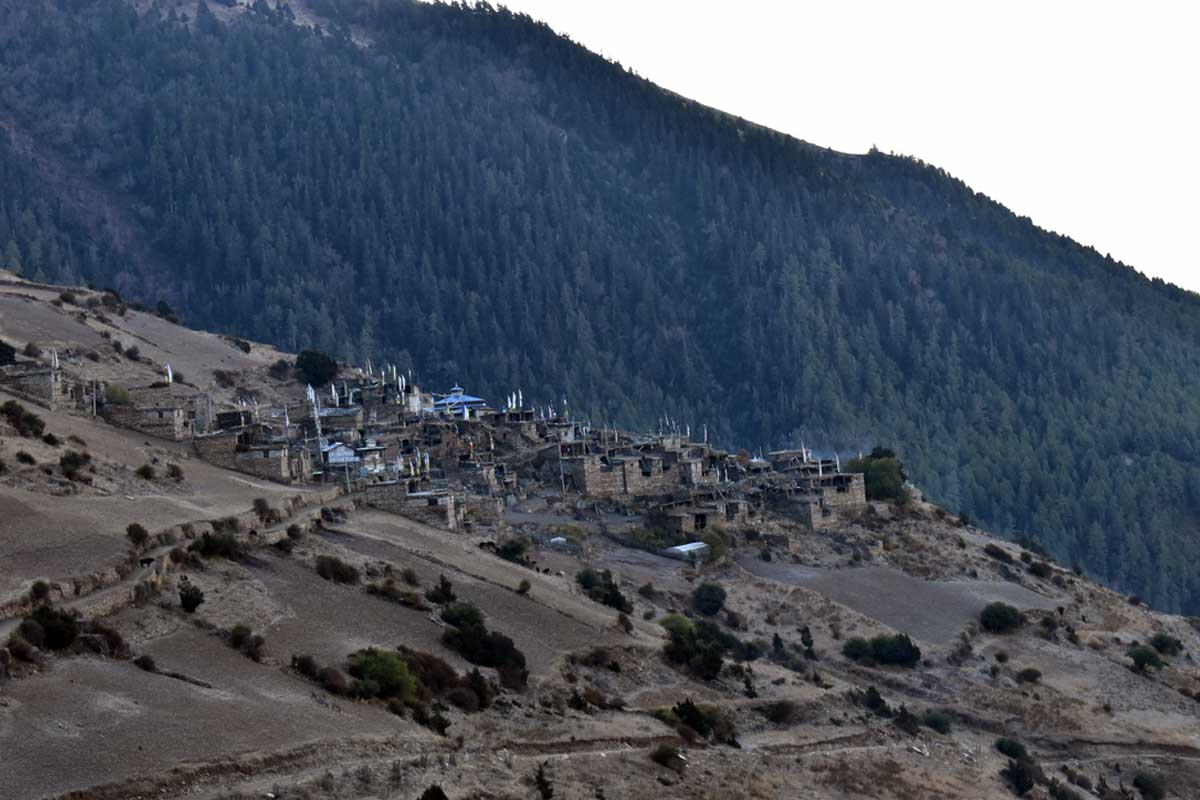
The Nar Phu-Tilicho Lake Trek takes you deep into the remote Nar and Phu Valleys, which were opened to trekkers only in 2003. This adventure provides a unique glimpse into an ancient Tibetan Buddhist way of life. Along the route, trekkers pass through traditional stone villages, navigate narrow canyon trails, and explore lush alpine forests, all while admiring striking rock formations shaped by centuries of natural forces.

This culturally rich journey allows you to experience authentic Himalayan traditions, including encounters with local yak herders, visits to ancient Gompas (monasteries), and the opportunity to witness centuries-old customs that remain largely untouched by modernization.


Tilicho Lake – The World’s Highest Alpine Lake

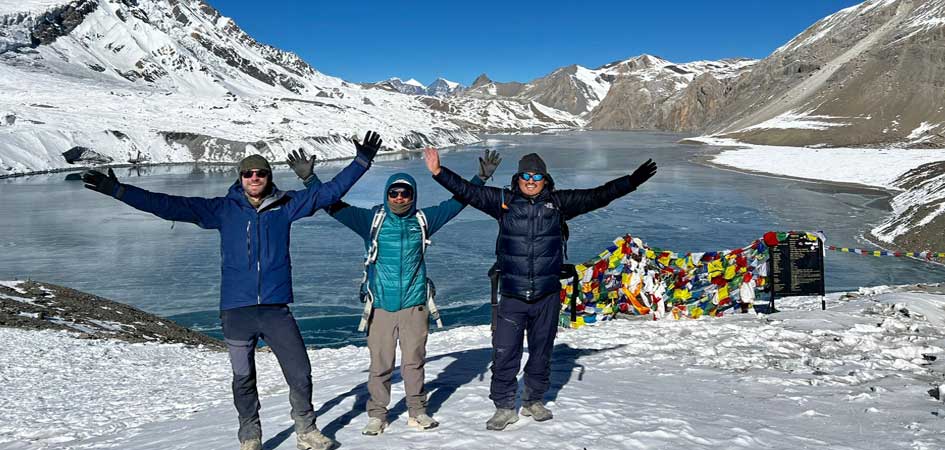
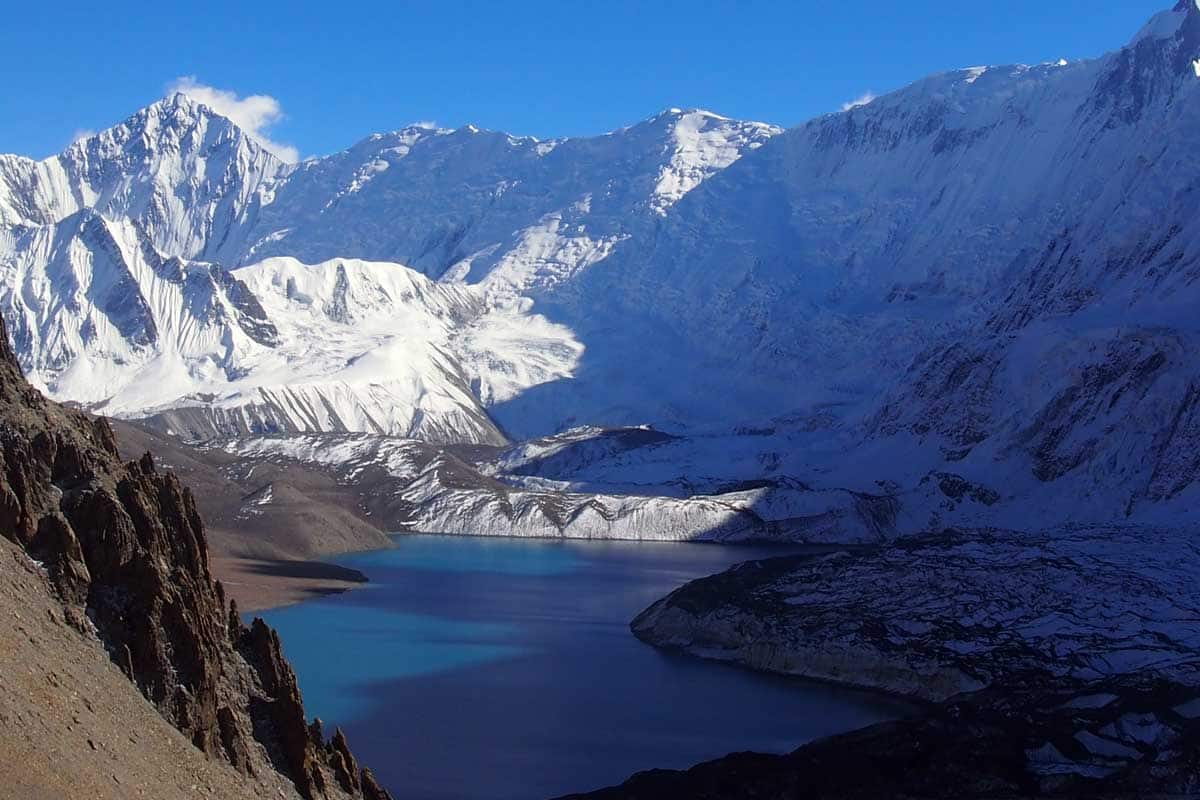
A major highlight of the Nar Phu Tilicho Lake Trek is reaching the stunning Tilicho Lake, which sits at an elevation of 4,919 meters, making it one of the highest lakes in the world. Surrounded by towering Himalayan peaks and dramatic cliffs, the lake provides breathtaking scenery and an unforgettable high-altitude experience.


High Passes and Spectacular Mountain Views

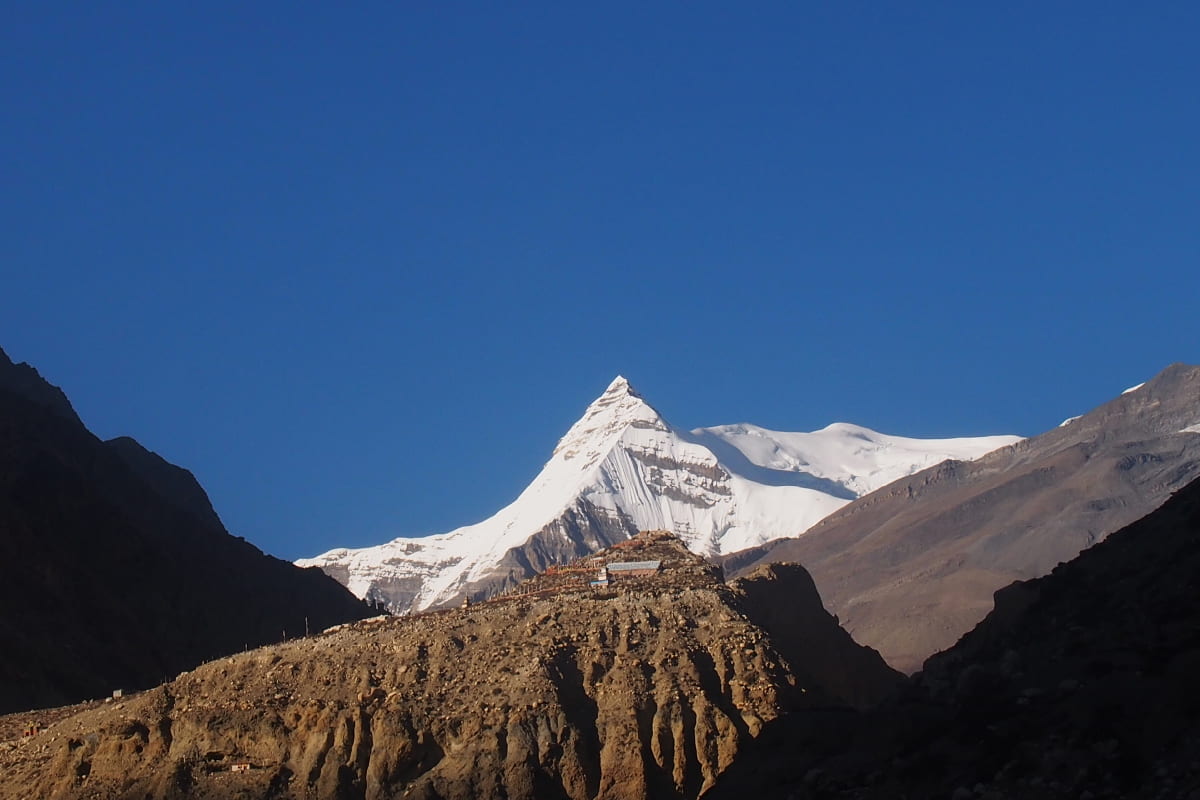
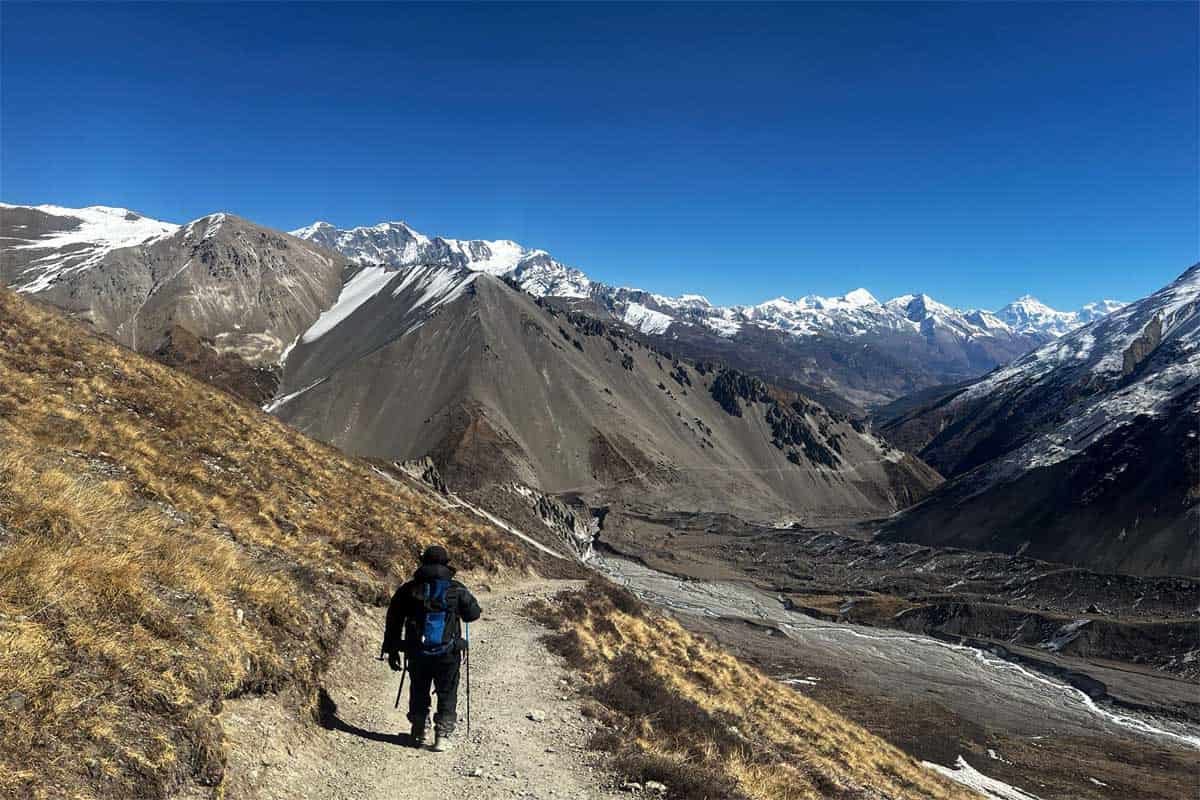
The Nar Phu Valley – Tilicho Lake Trek includes several challenging high passes: Kang La Pass (5,320 m), Tilicho Pass (5,230 m), and Mesokanto La Pass (5,099 m). Each of these high-altitude crossings requires stamina and preparation, but they offer trekkers stunning panoramic views of the Annapurna range, Tilicho Peak, and the surrounding Himalayan giants. These dramatic viewpoints are highlights of the trek, making each ascent both physically demanding and incredibly rewarding.


Diverse Landscapes from Subtropical Forests to Alpine Desert

The Nar Phu Valley to Tilicho Lake Trek traverses various vegetation zones, from lush subtropical forests to arid, semi-desert high-altitude terrains. This stark environmental transition enhances the trekking experience, highlighting Nepal’s rich and diverse Himalayan ecology.


A Challenging Trek for Experienced Adventurers

The Nar Phu Tilicho Lake Trek, known for its high altitude and remote terrain, is best suited for physically fit and well-prepared trekkers. The trek includes long trekking days, steep ascents, and rugged paths, offering an authentic adventure in the heart of the Himalayas. In return, trekkers enjoy pristine natural beauty, cultural immersion, and some of the most breathtaking mountain landscapes in Nepal.


The Nar Phu Valley to Tilicho Lake Trek is an excellent choice for trekkers looking for a remote and less crowded adventure in Nepal. This trek combines the highlights of both the Nar Phu Valley and Tilicho Lake routes, offering rich Tibetan-influenced Himalayan culture. Trekkers can immerse themselves in ancient traditions, visit monasteries, and experience the lifestyle of local communities. The trek presents challenges as you cross high passes and explore diverse landscapes, ranging from lush valleys to rugged alpine terrain. This makes it a truly unforgettable trekking experience.

Nar Phu-Tilicho Lake Trek Highlights


  • Diverse Landscapes: Explore a range of landscapes, from secluded villages and winding canyons to vibrant forests and stunning rock formations, creating a continuously shifting and enchanting backdrop.

  • World's Highest Lake: Experience the stunning beauty of Tilicho Lake, the highest lake in the world at 4,919 meters above sea level, surrounded by majestic snow-capped mountains.

  • Challenging high mountain passes: Cross legendary Himalayan passes including Kang La Pass (5,320 m), Tilicho Pass (5,230 m), and Mesokanto La Pass (5,099 m), each offering spectacular panoramic mountain views.

  • Vegetation Zones: Explore diverse vegetation zones, ranging from vibrant subtropical areas to arid semi-deserts, offering an exciting and varied trekking adventure.

  • Yak Herders and Gompas: Meet local inhabitants, mainly yak herders, and visit traditional gompas to learn about their age-old customs and beliefs.

  • Panoramic Annapurna mountain views: Enjoy close-up views of the majestic Annapurna range and the surrounding Himalayan giants throughout the trek.

  • Rich Tibetan-influenced culture: Experience ancient monasteries, prayer flags, traditional stone villages, and the unique lifestyle of local yak herders.

  • Cultural Enrichment: The trek offers a deep dive into the cultural richness of medieval Tibetan life, allowing for authentic encounters with yaks, gompas, and other fascinating aspects of the local community.

  • Remote Nar Phu Valley exploration: Discover one of Nepal’s most isolated and least-traveled regions, offering an authentic glimpse into ancient Tibetan-influenced Himalayan life in the Nar and Phu villages.

  • Adventure for the Intrepid: Perfect for intrepid trekkers seeking a unique and challenging experience, this trek offers breathtaking natural beauty, rich cultural immersion, and spectacular mountain views.

  • Less crowded and off-the-beaten-path trail: Enjoy a peaceful trekking experience away from the mainstream routes, perfect for adventure seekers seeking solitude and authenticity.

  • Wild & Untouched Trails: Experience a less-crowded trekking route that offers solitude, adventure, and raw natural wilderness.

  • Perfect Combination Trek: A unique blend of the Nar Phu Valley Trek and Tilicho Lake Trek, offering both cultural depth and high-altitude adventure in one journey.
Trip Itinerary

Day 01: Arrive in Kathmandu

Upon your arrival in Kathmandu, Nepal, a friendly representative from Manaslu Trek will greet you at the airport and escort you to your hotel. This marks the beginning of your Nar Phu Valley & Tilicho Lake Trek adventure, offering a smooth and comfortable start to your journey in the Himalayan region.

In the evening, we host a special welcome dinner featuring authentic Nepalese cuisine, accompanied by a refreshing reception drink. This welcome evening also provides an opportunity to meet your fellow trekkers, discuss the Nar Phu Valley & Tilicho Lake Trek itinerary, and receive essential tips for trekking in the Himalayas, including acclimatization, packing, and safety advice. Starting your journey in Kathmandu allows you to ease into the adventure while enjoying the city’s vibrant culture and setting the stage for your unforgettable Himalayan trekking experience.

Transfer: 30-45 min | Accommodation: Hotel | Meal: Welcome Dinner

Day 02: Full day City Tour in Kathmandu Valley

Today, explore the rich culture, history, and heritage of Kathmandu Valley on this full-day city tour before your Nar Phu Valley & Tilicho Lake Trek. The tour takes you to some of Kathmandu's most famous UNESCO World Heritage Sites, offering a perfect introduction to Nepalese art, architecture, and traditions with our professional English-speaking City Tour Guide:

  • SWOYAMBHUNATH , also known as the Monkey Temple, is one of Kathmandu Valley’s most iconic Buddhist stupas. Perched on a hilltop, it offers panoramic views of Kathmandu city and features ancient shrines, prayer wheels, and intricate carvings. The site is a spiritual and cultural landmark, attracting both pilgrims and tourists.
  • KATHMANDU DURBAR SQUARE is a UNESCO World Heritage Site and the historic heart of Kathmandu City. Known for its ancient palaces, temples, courtyards, and intricate wood carvings, it reflects Nepalese art, culture, and architecture. A visit to this iconic square offers a glimpse into the royal history of Nepal.
  • BOUDHANATH STUPA is one of the largest and most important Buddhist stupas in Nepal and a UNESCO World Heritage Site. Known for its massive white dome, colorful prayer flags, and iconic Buddha eyes, it serves as a major center for Tibetan Buddhism. Visiting Boudhanath provides an immersive cultural and spiritual experience.
  • PASHUPATINATH is one of Nepal’s most sacred Hindu temples, dedicated to Lord Shiva and located on the banks of the Bagmati River in Kathmandu. Famous for its intricate pagoda-style architecture, cremation ghats, and spiritual rituals, it offers visitors a deep cultural and religious experience.

Our knowledgeable guide will tell you interesting things about the religious, historical, and architectural importance of each landmark. Kathmandu is a unique city with a rich culture and a spiritual atmosphere that will make your city tour an interesting and memorable way to learn about Nepalese heritage.

Sightseeing: 7-8 Hours | Accommodation: Hotel | Meal: Breakfast

Day 03: Kathmandu to Khudi Khola (790m)

After an early breakfast in Kathmandu, set out on a scenic overland journey along the Prithvi Highway, descending the winding Nagdhunga pass and tracing the Trishuli River, where rafters and riverside villages add life to the route, before pausing for a typical lunch stop around Malekhu or Mugling; continuing onward, the road reaches Dumre, where it turns north and narrows into a more rugged mountain track that follows the Marsyangdi River, revealing terraced hillsides, cascading waterfalls, and the first distant views of Himalayan peaks, including Lamjung Himal, as you approach Besisahar, the main gateway to the Annapurna region, where trekking permits such as RAP and ACAP are commonly checked, and after a brief stop or transfer, the journey concludes with a short but bumpy 30–45 minute drive via Bhulbhule to Khudi Khola, a peaceful Gurung village at the confluence of rivers, marking the traditional starting point of the legendary Annapurna Circuit trek.

Transfer: 177 km, 7-9 hours | Accommodation: Lodge I Meal: Breakfast, Lunch, Dinner

Day 04: Khudi Khola to Sirung (1,860 m)

The day begins at Khudi Khola, where the constant roar of the Marsyangdi River sets the tone as you cross a suspension bridge and immediately start ascending through lush lower hills, passing scattered homes and vibrant rice terraces on the way toward Bhulbhule; in this subtropical zone, the trail winds beneath broadleaf forests alive with birdlife like kingfishers and circling raptors, while cultural elements such as Mani walls and chortens begin appearing, signaling a gradual transition into Buddhist-influenced highlands, and by midday the route steepens into Nepal’s iconic stone staircases—often dubbed the “stairway to Sirung”—rewarding trekkers with breathtaking views of terraced hillsides that resemble giant green amphitheaters (or golden fields depending on the season), with a well-earned lunch stop in small villages like Taranche offering a nourishing Dal Bhat meal to refuel for the climb; as the afternoon progresses, the trail gains elevation and the air turns cooler and crisper, eventually leading along ridge paths with expanding Himalayan vistas, including the Manaslu Range, Ngadi Chuli, and Himal Chuli, before reaching Sirung, a serene Gurung heritage village known for its traditional stone houses and warm community-based homestay experience, where guests are often welcomed with tika and garlands, enjoy evening Rodhi cultural programs with music and dance, and, if energy allows, can take a short sunset walk to witness the magical alpenglow illuminating the snow-capped peaks in hues of pink and orange.

Trekking: 5-7 hours | Altitude Gain: 1,070 m | Altitude Loss: 180 m | Accommodation: Lodge I Meal: Breakfast, Lunch, Dinner

Day 05: Sirung to Jagat (1,314m)

We depart from Sirung towards Jagat, following a trail that is relatively easy to navigate. Leaving behind the village terraces, we make our way through a beautiful landscape of forests, ferns, and woodlands. Along the way, we pass through several small villages and visit a few temples, allowing us to immerse ourselves in the local culture and gain a deeper understanding of the way of life in this region. At Mipra, we cross a suspension bridge over Sangu Khola, where we also have the opportunity to view a nearby waterfall. Continuing on our journey, we cross another suspension bridge at Syange over the mighty Marshyangdi River, taking in the breathtaking views of the surrounding area. We cross one more bridge before arriving at our final destination for the day, Jagat.

Day 06: Jagat to Dharapani (1,943m)

The trail from Jagat initially descends until it reaches the river before continuing through a lush forest. As we continue on our journey, we encounter a sharp-edged cliff that faces the riverbank, providing us with magnificent views of the surrounding Annapurna mountain ranges. The picturesque village of Chyamje comes into view as we trek along the trail. We cross a suspension bridge and then face a physically demanding climb toward the slippery path to Seattle. The path is strewn with rocks and we must tread with caution to avoid any mishaps. As we make our way down the trail, we come across a grassy riverbank that leads to Tal, where we take some time to rest and admire the tranquil beauty of our surroundings. Continuing on, the path becomes rugged and winding as we make our way toward the steeply-forested village of Karte. Along the way, we are treated to the sight of mesmerizing waterfalls and cliffs that add to the natural splendor of the area. After crossing another suspension bridge, we finally reach our destination for the day, Dharapani, where we can rest and recharge for the next leg of our journey.

Day 07: Dharapani to Koto (2,575m)

After leaving Dharapani, the trail gradually ascends through a rugged path that has been carved out of the mountainside. This stretch of the trail has seen recent developments and changes. As we continue trekking for several kilometers, we come across the charming village of Danique before ascending steeply to Timang. Along the way, we are rewarded with stunning views of the majestic Manaslu mountain range, as well as the snowcapped peaks of the Annapurna mountain range. The trek also takes us through picturesque apple orchards, adding a touch of natural beauty to the journey. Finally, we arrive at our campsite in Koto, where we can rest and prepare for the next leg of our adventure. This section of the trek offers a perfect blend of natural beauty and cultural experiences, making it a memorable part of the Annapurna Circuit Trek.

Day 08: Koto to Meta (3,560m)

In the morning, we obtain our restricted area permit at the Police Check Post before continuing our trek. We trek along the riverbank of Soti Khola, passing through beautiful pine forests, and crossing streams and suspension bridges along the way until we reach Dharmasala. We will have our packed lunch during the trek. After our lunch break, we continue our trek through forests and ascend steeply towards Meta village. As we climb higher, we gradually reach the Tibetan Plateau and enjoy breathtaking views of Annapurna II and Lamjung Himal.

Day 09: Meta to Kyang (3,740m)

The trail beyond Meta becomes more challenging as much of the energy is spent navigating a roller-coaster maze of glacial moraines. The landscape is a combination of white rocks, low shrubs, juniper, scattered evergreens, delicate brick-red and orange leafy bushes, crumbling shelves of flat slate, and white sandy trails. After a short walk, we reach a trail junction offering a clear view of the Nar valley with its monastery and chorten. Continuing past Jhunam (3,640m), we arrive at Chyakhu (3,800m), a former Khampa settlement. Passing many chortens, we traverse uphill and downhill before finally arriving at the settlement valley of Kyang. Here, superb mountain views of Pisang peak, Annapurna II, Gyaji Kang, and more can be seen.

Day 10: Kyang to Phu Gaon (4,050m)

Descending steeply towards the Phu Khola, you will trek along the riverbank, passing by interesting sights such as the "submarine" rock and small potential campsites. Along the way, you will start to see the unique and colorful chortens that Nar and Phu are known for. Crossing a small glacial stream carefully, you will then reach a larger stream with a bridge partially covered with large slate slabs. After trekking for another hour and a half through scenic canyons and gorges, you will come across the Phu gate, known as Pupigyal Kwe, which guards the steep trail up to Phu. From the gate, you will have your first glimpse of the three villages of Phu, along with an ancient "dzong" and the remains of two forts that sit impressively atop the flatlands before Phu, even though they are now in ruins.

Day 11: Excursion day

During your stay in Phu, you will have the opportunity to interact with the locals and learn more about their way of life. You can explore the wide valley systems above the village and take a walk to the summer grazing settlement or Kharka at Ngoru, which takes about three hours past the gompa. Phu village itself is incredibly interesting, and you can observe the villagers spinning their yak and sheep wool while chatting with them. You will stay overnight at a campsite in Phu Valley, surrounded by stunning mountain scenery.

Day 12: Phu to Junam (3,600m)

Starting from Phu, you will pass through the ancient gate of Pupigyal Kwe, and begin descending towards the riverbank of Phu Khola. As you walk along the river, you will see the unique and colorful chortens that Nar and Phu are famous for. You will cross a small glacial stream and then a larger one with a bridge half-covered with slate. The trail then leads through scenic canyon lands and gorges until you arrive at Junam Kharka.

Day 13: Junam to Nar Gaon (4,110m)

This day, you will trek down to an old bridge that spans a deep, contoured, and narrow gorge, and then ascend back up again. The scenery along the way is stunning. Below you, you'll see Gyalbu Kumbu, built in 1650, and Satte Gompa, both now empty. Finally, you'll reach the Nar gates at the top of the hill and pass by yet another line of wonderfully painted, bamboo-topped chortens, and a large tiered chorten.

Day 14: Cross Kang La Pass (5,320m). Trek to Ngawal (3,660m)

We begin our trek towards the Kang La Pass, crossing a beautiful series of alpine meadows before reaching our campsite at its base. To witness the spectacular views of the Annapurna Range and the panorama peaks to the north and east, an early start is necessary. After taking a well-deserved break, we make our way down, navigating through scree slopes which can be challenging on the knees. Finally, we descend towards an open meadow near the village of Nyawal where we set up camp for the night.

Day 15: Ngawal to Manang (3,540m)

Leaving Ngawal, we descend through a beautiful forest and cross a suspension bridge over the Marsyangdi River. From there, we ascend gradually through small villages and apple orchards to the village of Braga, famous for its ancient Gompa (monastery) which dates back to the 8th century. We explore the Gompa, which contains priceless Buddhist artifacts and frescoes, before continuing our trek to Manang. On the way, we enjoy stunning views of the Annapurna, Gangapurna, and other peaks of the Himalayas.

Day 16: Manang to Shree Kharka (4,000m)

The trek from Manang to Khangsar takes approximately 2-3 hours depending on individual walking speed. The trail initially follows an easy path that runs alongside the Marsyangdi River. After some time, the trail becomes more challenging as it ascends toward Khangsar. Along the way, we will pass through several small settlements and enjoy the breathtaking views of the surrounding mountains. As we approach Khangsar, we will notice the village's traditional architecture, and we can take some time to explore the area before continuing our trek. From Khangsar to Shree Kharka, it is a steep and uphill climb that takes approximately 3-4 hours depending on individual walking speed. The trail passes through rugged terrain and requires some level of physical fitness. Along the way, we will enjoy stunning views of the surrounding mountain peaks, including Annapurna and Gangapurna.

Day 17: Shree Kharka to Tilicho BC (4,150m)

The trek from Shree Kharka to Tilicho Base Camp is a challenging climb that takes approximately 5-6 hours depending on individual walking speed. The trail passes through rugged terrain and requires a good level of physical fitness. Along the way, we will enjoy breathtaking views of the surrounding mountain peaks, including Gungang Himal and Mt. Chulu. We will also pass through several small settlements before reaching Tilicho Base Camp, where we can rest for the night. The base camp is located at an altitude of 4,140 meters.

Day 18: Excursion to Tilicho Lake (4,919m)

The excursion to Tilicho Lake from Tilicho Base Camp is a challenging yet rewarding trek that takes approximately 6-7 hours depending on individual walking speed. The trail ascends to an altitude of 4,919 meters and requires a good level of physical fitness. Along the way, we will enjoy breathtaking views of the surrounding mountain peaks and the beautiful turquoise-colored lake itself. As we approach the lake, we will notice the peaceful ambiance and the pristine beauty of the natural surroundings. It is essential to take proper precautions and rest appropriately, as the high altitude may cause symptoms of altitude sickness. After spending some time at the lake and taking in the beauty of the surroundings, we will return to Tilicho Base Camp to rest for the night.

Day 19: Cross Mesokenta La Pass (5,025m). Trek to Yak Kharka (3,600m)

From Tilicho Base Camp, we will begin our trek towards the Mesokenta La Pass, which involves a steep ascent of about 300 meters to reach the ridge high above the lake. The trail then traverses a couple of ridge crossings before a short, steep climb to reach the Mesokenta La Pass. From the pass, we will be rewarded with stunning views that stretch back to the lake as well as panoramic views of the Nilgiri peaks and Dhaulagiri on the far side of the Kali Gandaki Gorge. After enjoying the views from the pass, we will begin our descent towards Yak Kharka. The descent from the pass is steep and sometimes slippery, especially if there is snow on the trail. We will need to be careful while walking on the loose and rocky terrain. Along the way, we will pass through beautiful alpine meadows and cross several small streams before reaching Yak Kharka, a small settlement located at an altitude of 4,110 meters.

Day 20: Yak Kharka to Jomsom (2,670m)

Starting from Yak Kharka, the trail ascends along the east bank of the Jarsang Khola, before descending and crossing the stream on a wooden bridge at 4310m. During the trek, you might be surprised by sightings of blue sheep and even snow-capped leopards. Overhead, choughs, large lammergeiers, and Himalayan griffons can be seen circling around you. The trail continues with a long descent along a ridge, gradually leading down to the Kali Gandaki River and the village of Jomsom. After arriving in Jomsom, we will settle in a comfortable lodge situated close to the airport.

Day 21: By Domestic Plane: Jomsom to Pokhara (820m)

Early in the morning, we will take a picturesque flight to Pokhara, where we can marvel at the stunning views of the Annapurna and Dhaulagiri mountain ranges, as well as the world's deepest gorge, Kali Gandaki. Upon arrival, we can spend the day relaxing in our hotel or exploring the charming Lake Side area with its breathtaking mountain panoramas and natural beauty. There are many interesting places to discover in Pokhara, including the fascinating Mahendra Cave, David's Fall, and several scenic lakes. We can take our time to soak up the beauty of this enchanting place and make the most of our time in Pokhara.

Day 22: By Bus: Pokhara to Kathmandu

From Pokhara, you can drive back to Kathmandu which takes around 7 hours. The journey is scenic as you pass through lush hills, terraced fields, and small villages. You can also stop for a break or a meal at one of the many roadside restaurants along the way. Alternatively, you can also choose to do some activities such as rafting or visit the Manakamana temple and experience the cable car ride. Upon arrival in Kathmandu, you can check in to your hotel and relax for the rest of the day.

Day 23: Free day in Kathmandu

Today, we have a free day to explore the vibrant city of Kathmandu on our own. You may want to spend the day indulging in some souvenir shopping, wandering around the colorful streets and bazaars, or enjoying the local cuisine. You could also visit some of the popular tourist attractions in the city, such as the Bhaktapur, or Patan which showcase Nepal's rich cultural and historical heritage. Alternatively, you could engage in other activities like hiking, biking, or adventure sports, or simply relax and rejuvenate in one of the city’s many spas and wellness centers. Whatever you choose to do, make sure to soak up the unique sights, sounds, and flavors of this wonderful city.

Day 24: Transfer to Kathmandu International airport for departure.

Today, we will transfer to Kathmandu International Airport for our departure. After enjoying a hearty breakfast at the hotel, we will gather our belongings and make our way to the airport. We will ensure that we reach the airport well in time to complete all the necessary formalities and board our flight. Before we bid adieu to this enchanting country, take one last look at the breathtaking views of the Himalayas and take a moment to appreciate the warm hospitality and kindness of the Nepalese people. This marks the end of our tour, and we hope you had a memorable and enjoyable time in Nepal.

Cost & Dates

The Nar Phu Valley Tilicho Lake Trek cost listed on the website is for groups of 6-12 people. However, private trips for groups of two or more can be organized if you'd like. A group booking of 12 or more people can offer a maximum discount with one free trip. Clients' travel date preferences can be accommodated, but the trek cost depends on group size, duration, accommodation type, and additional activities or services.

  • Group Size: The cost of the trip will depend on the size of the group.
  • Hotel Accommodation Category and Client's Budget: The cost may also vary based on the accommodation category and budget preference of the client.
  • Itinerary Modification: Our trekking itinerary can be modified according to your time and requirements, and the cost will be adjusted accordingly.
  • Additional Services: If you require additional services, the cost will be adjusted accordingly based on mutual understanding.
  • Trekking Staff: The cost is also affected by the number of Trekking Guides, Assistant Guides, and extra porters required for the trip.


Trip Dates Trip Cost Status Inquiry
USD USD 2,800.00 Inquiry

Cost Includes:

  • Airport pick-up drop service on private vehicle
  • Hotel: 4 nights in Kathmandu and one night in Pokhara in a twin sharing room on BB plan
  • Full-day Guided Tour in Kathmandu with English-speaking Tour guide
  • Land transportation on a private vehicle: Kathmandu to Khudi Khola, and Pokhara to Kathmandu
  • Domestic airfare: Jomsome to Pokhara
  • Completely lodges treks which include Breakfast, Lunch, dinner, and room during the whole trekking period.
  • Trekking Permit: Special Permit of Nar-Phu Valley, Annapurna Conservation Area Project (ACAP) and TIM Card entrance fees
  • First aid and medical kits
  • Trekking staff: English Speaking Trekking Guide, Assistant Guide, and Porters
  • Accidental and medical Insurance of Nepalese staff
  • All government taxes and official charges.

Trip FAQ

  1. What is the Nar Phu Valley & Tilicho Lake Trek?
    The Nar Phu Valley & Tilicho Lake Trek is a challenging and rewarding trek that combines two popular trekking routes in the Annapurna region of Nepal - the Nar Phu Valley Trek and the Tilicho Lake Trek.


  1. How long is the Nar Phu Valley & Tilicho Lake trek?
    The Nar Phu Valley & Tilicho Lake Trek usually takes around 16-20 days to complete, depending on the itinerary and the trekker's pace.


  1. What is the difficulty level of the Nar Phu Valley & Tilicho Lake trek?
    The Nar Phu Valley & Tilicho Lake Trek is a challenging trek that requires a good level of fitness and trekking experience. The trek involves high-altitude trekking, steep climbs, and rough terrain.


  1. What is the best time to go for the Nar Phu Valley & Tilicho Lake trek?
    The best time to go for the Nar Phu Valley & Tilicho Lake Trek is from March to May and from September to November when the weather is dry and the skies are clear.


  1. What are the highlights of the Nar Phu Valley & Tilicho Lake trek?
    The highlights of the Nar Phu Valley & Tilicho Lake Trek include stunning views of the Annapurna and Dhaulagiri mountain ranges, exploring remote villages, crossing high passes, encountering unique Himalayan cultures, and culminating the trek at the breathtaking Tilicho Lake - the world's highest lake.


  1. Is it necessary to hire a guide or porter for the Nar Phu Valley & Tilicho Lake trek?
    While it is not mandatory to hire a guide or porter for the trek, it is highly recommended for safety reasons and to enhance the overall trekking experience. Local guides and porters are knowledgeable about the area and can provide valuable insights into the local culture and customs.


  1. What kind of accommodation is available on the Nar Phu Valley & Tilicho Lake trek?
    Accommodation on the Nar Phu Valley & Tilicho Lake Trek ranges from basic tea houses to more comfortable lodges. The lodges and tea houses provide simple but comfortable accommodations with basic amenities such as hot showers and electricity.


  1. Do I need special permits for the Nar Phu Valley & Tilicho Lake trek?
    Yes, special permits are required for the Nar Phu Valley & Tilicho Lake Trek. Trekking permits can be obtained through a registered trekking agency in Nepal, and a national park permit is also required for the trek.


Most Popular

Manaslu Trekking Tours

Manaslu Circuit Trek
19 Days

The Manaslu Circuit Trek is a beautiful and remote trip around Mount Manaslu (8,163 m), the eighth highest mountain in the world. It has the perfect mix ...

Discover More
Tsum Valley Trek
19 Days

The Tsum Valley Trek is a unique and off-the-beaten-path trekking experience in Nepal’s Manaslu region, known for its rich Tibetan Buddhist culture, ...

Discover More
Lower Manaslu Trek
18 Days

The Lower Manaslu Trek is a beautiful and culturally rich trip in Nepal that lets you see the Himalayas without going too high. This unusual trek takes ...

Discover More
Manaslu Four High Passes Trek
26 Days

The Manaslu High Passes Trek is an adventurous, off-the-beaten-path trek in the Himalayas that circumnavigates the remote Manaslu region, crossing four ...

Discover More